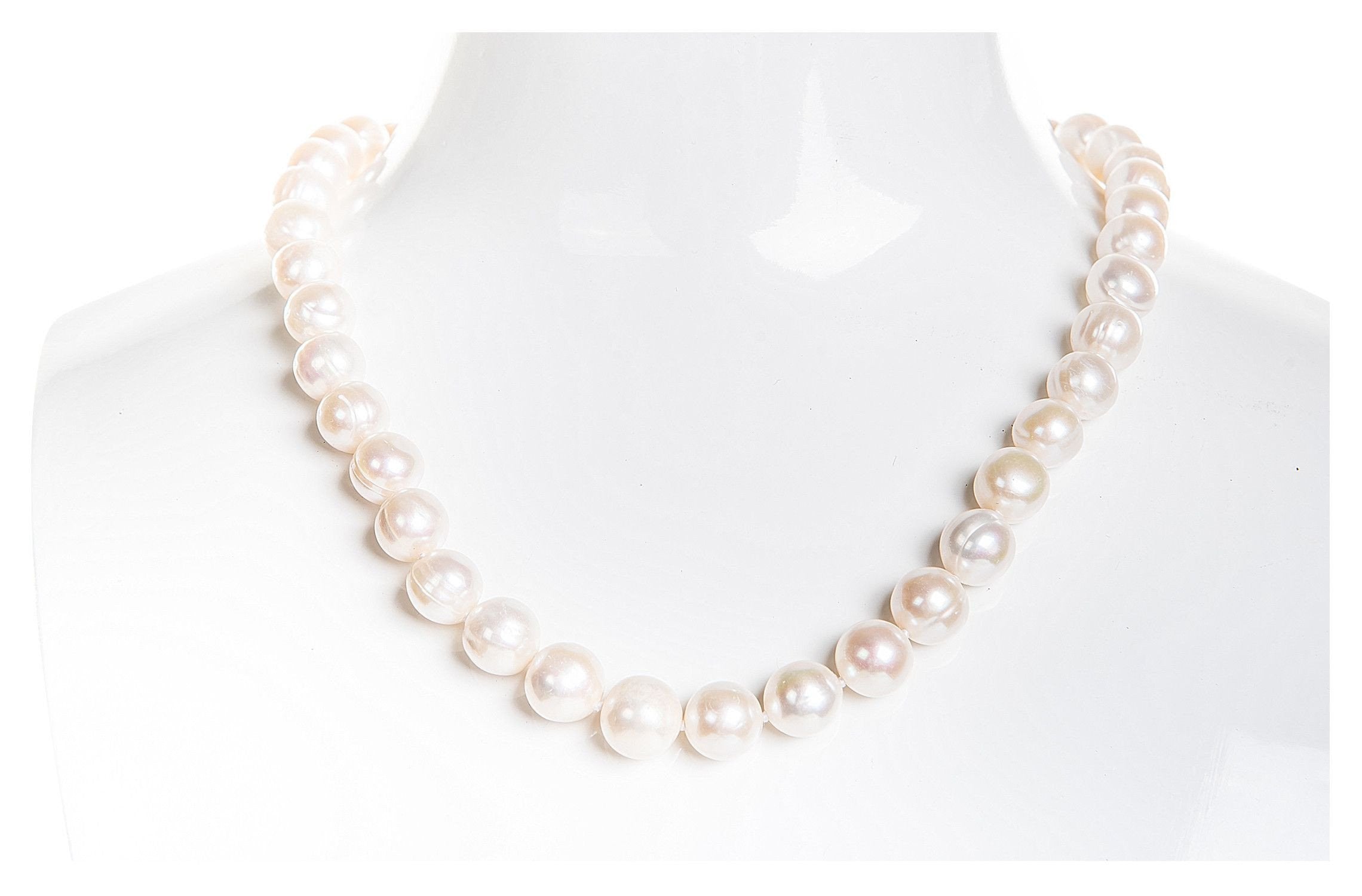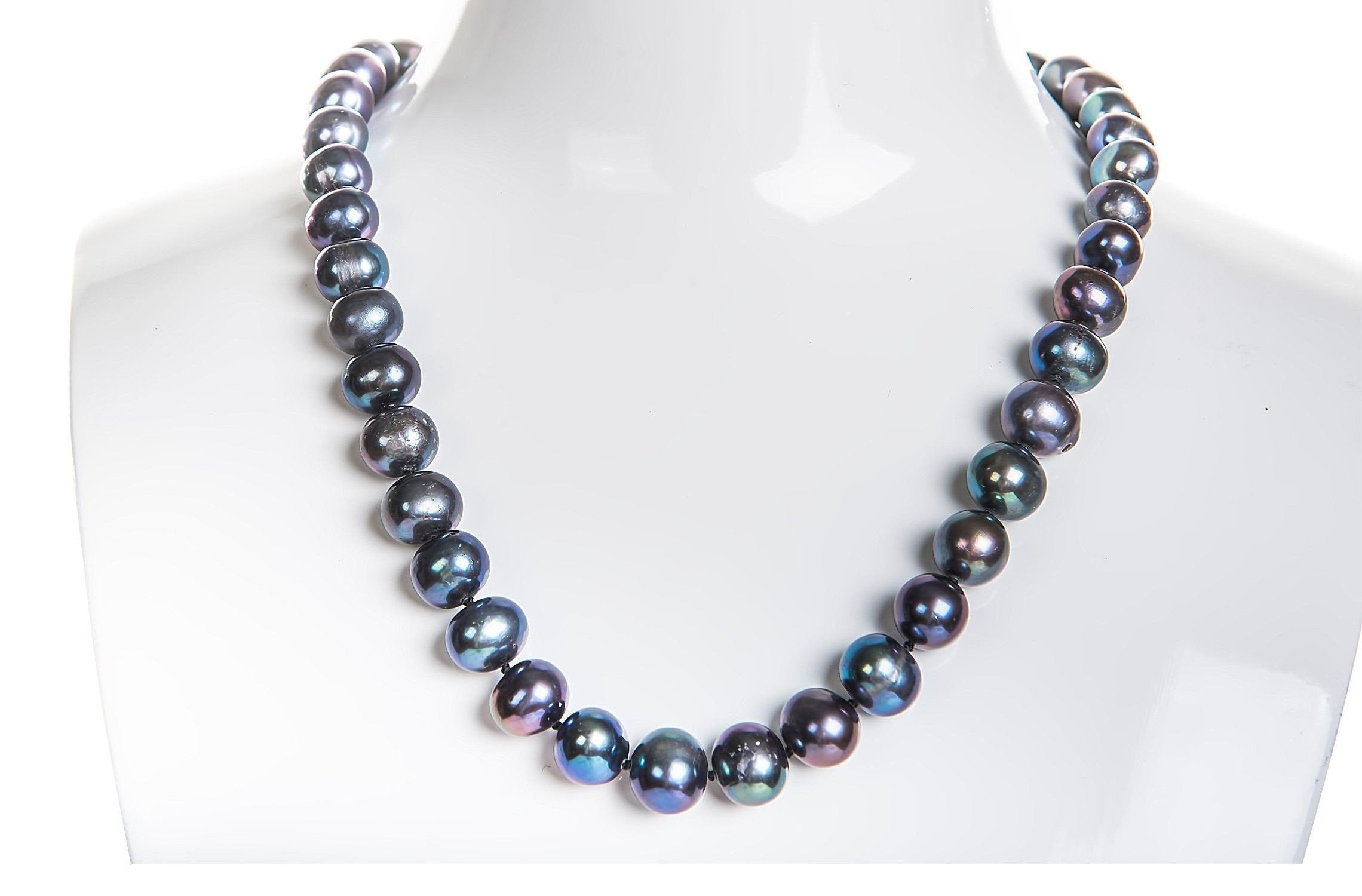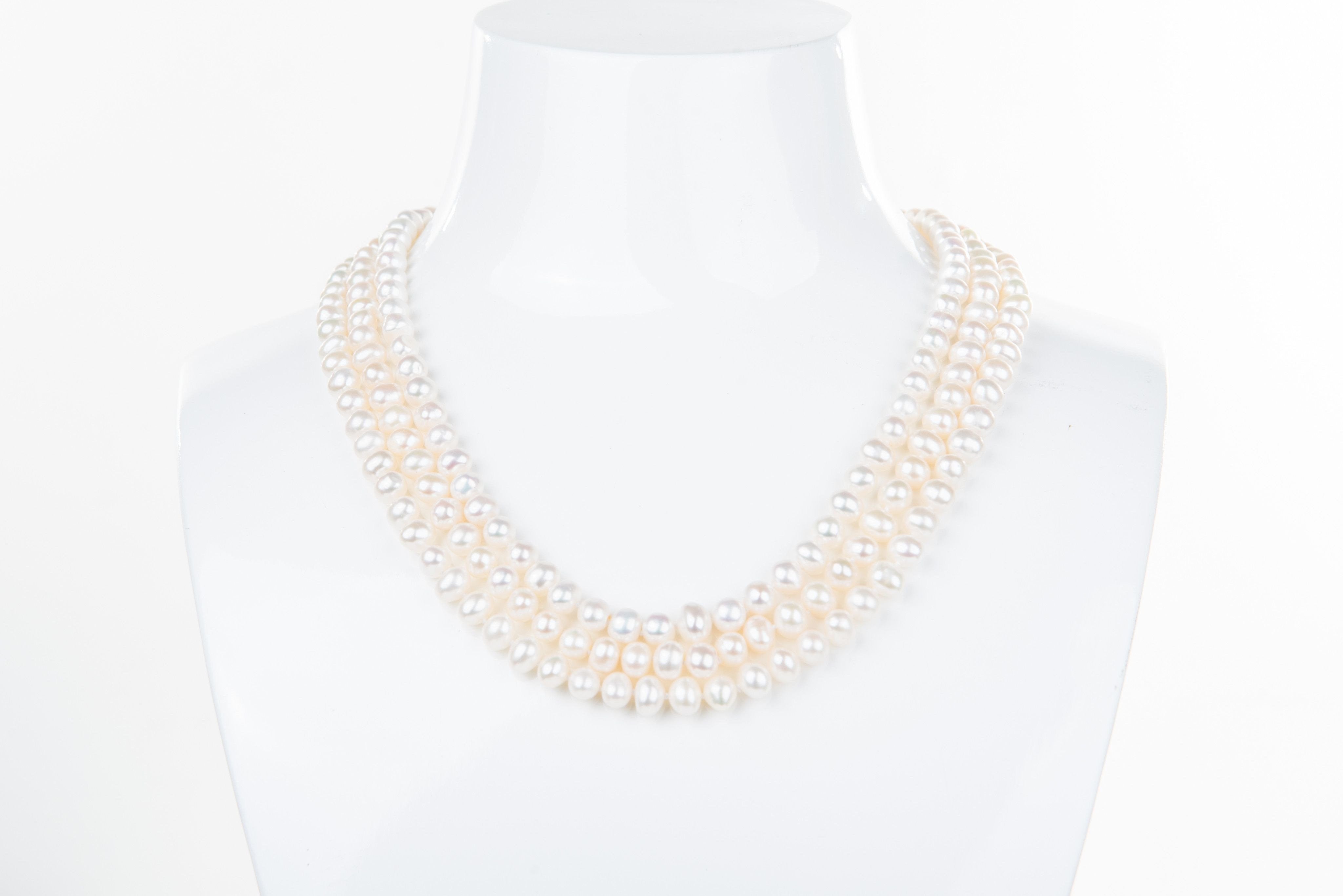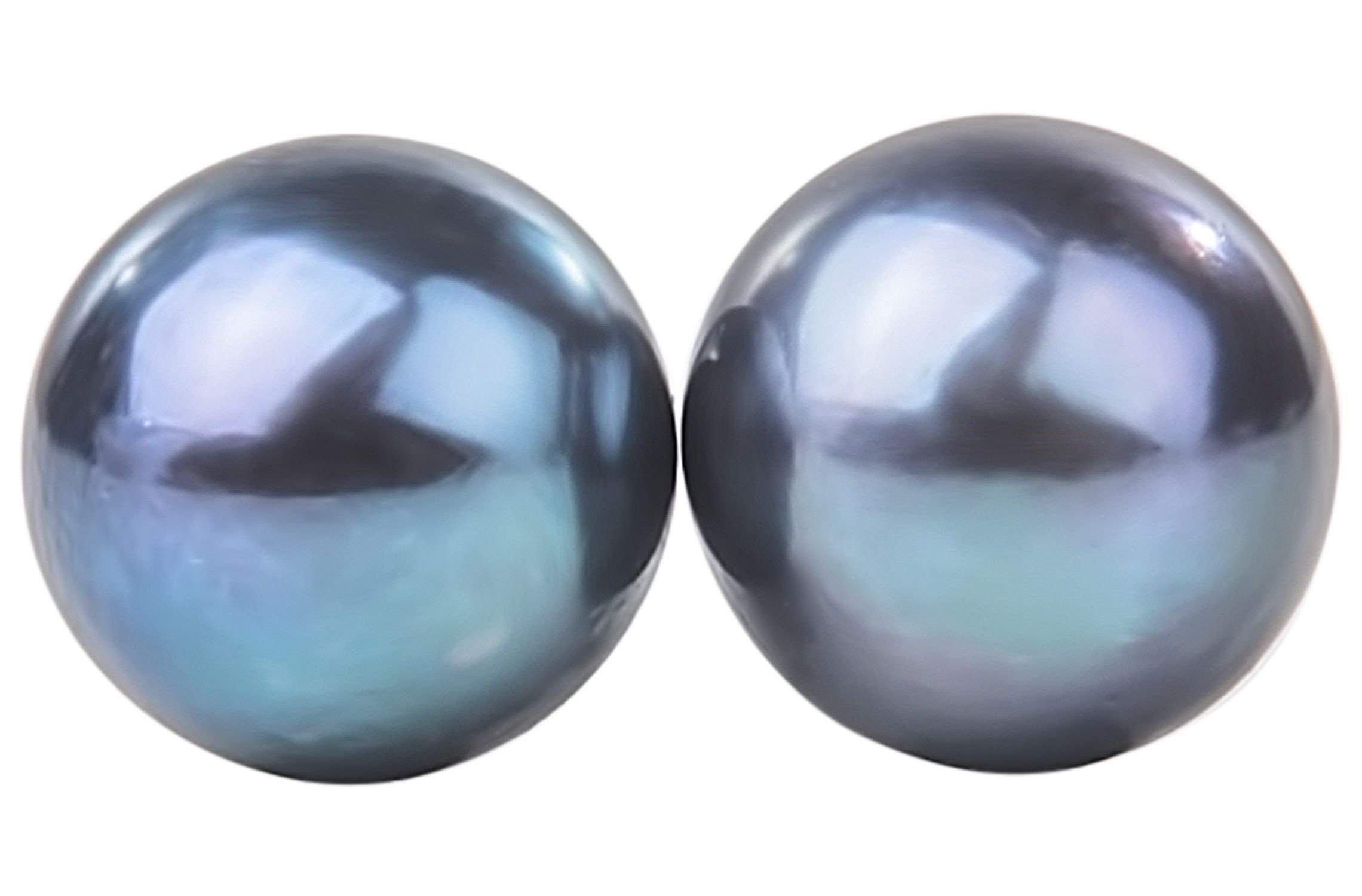
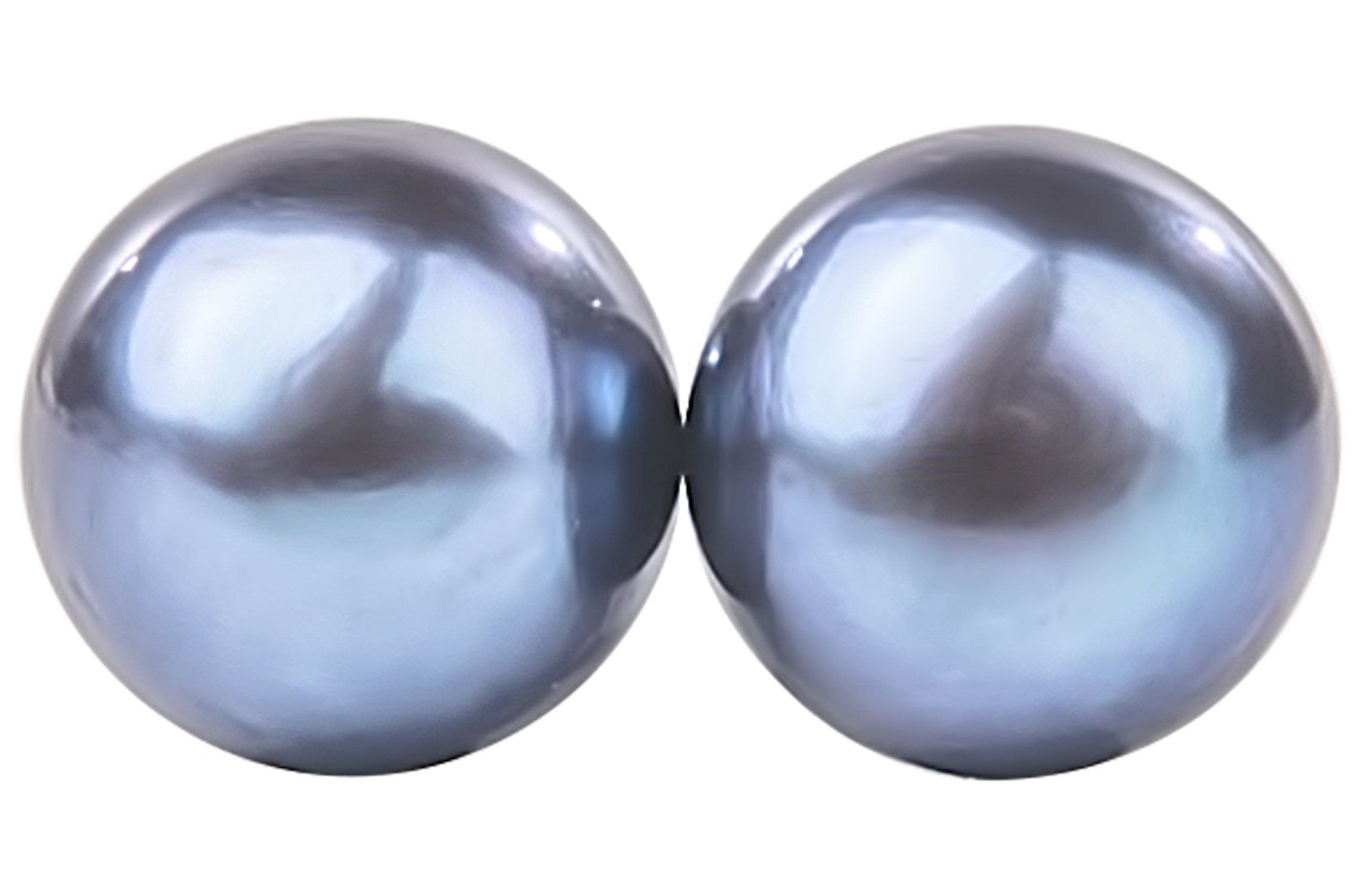
Pearls and lingerie have been paired for so long that it barely registers as a styling choice anymore, but it's worth asking why it works so consistently. Part of it is practical: pearls have no sharp edges, no prongs, no faceted stones that catch on silk or skin. A hand-knotted strand is smooth all the way around and warms slightly against the body, which is more than you can say for a chilled metal chain or a hard gemstone pendant.
Why pearls suit skin the way other jewelry doesn't
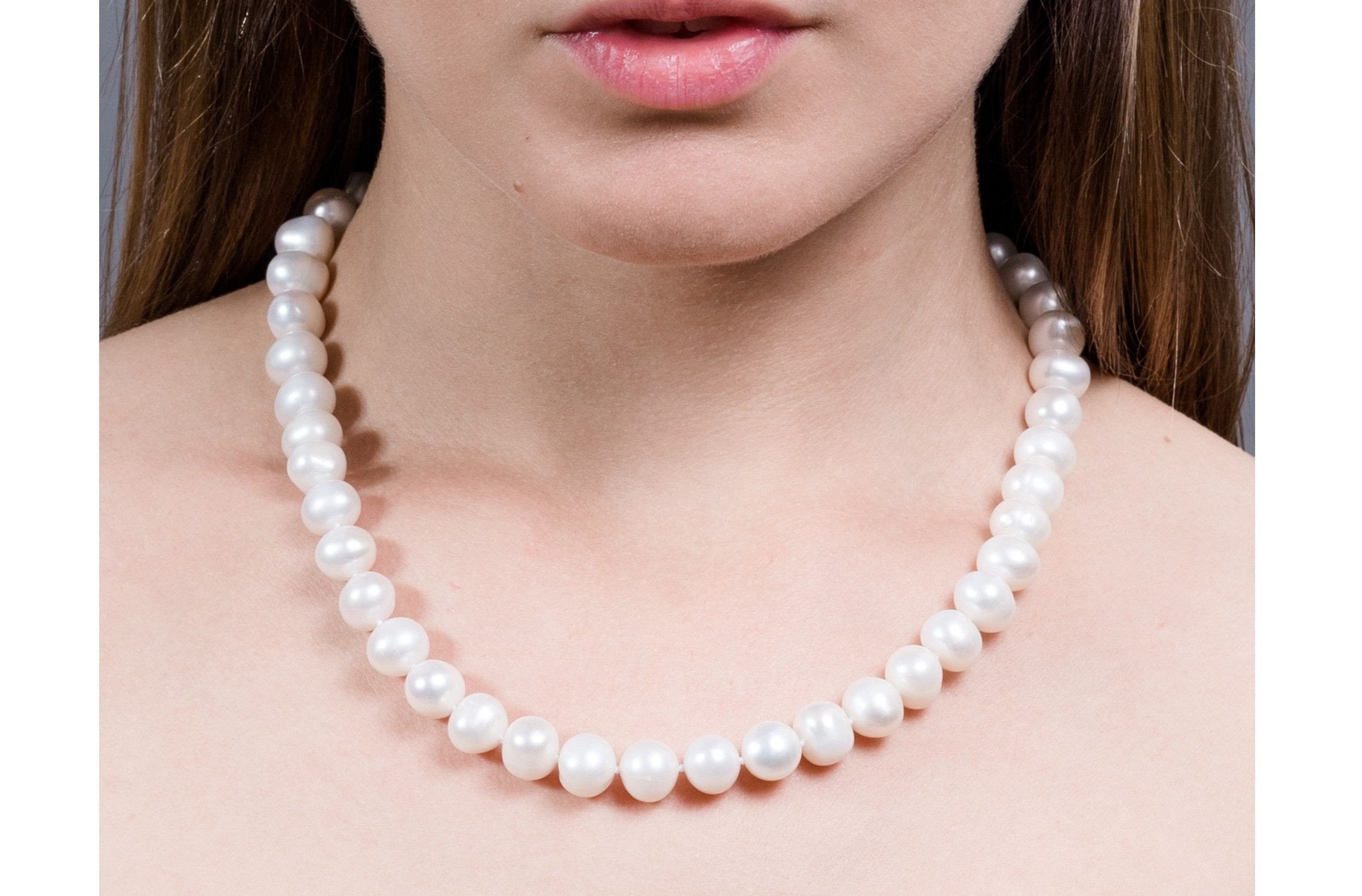
Cultured freshwater pearls are essentially organic — layers of nacre built up in soft, rounded shapes with no cutting or faceting involved. That means no scratching against bare shoulders, no snagging on lace trim, and no cold shock when the piece first touches skin the way silver or steel can. Worn against bare skin rather than over a shirt, a strand also picks up a bit of warmth from your body within a few minutes, which is part of why pearls have always felt more intimate than other jewelry categories.
Choosing a length for the neckline
This is where most of the guesswork lives, and it comes down to where the strand needs to land relative to the neckline you're wearing it with.
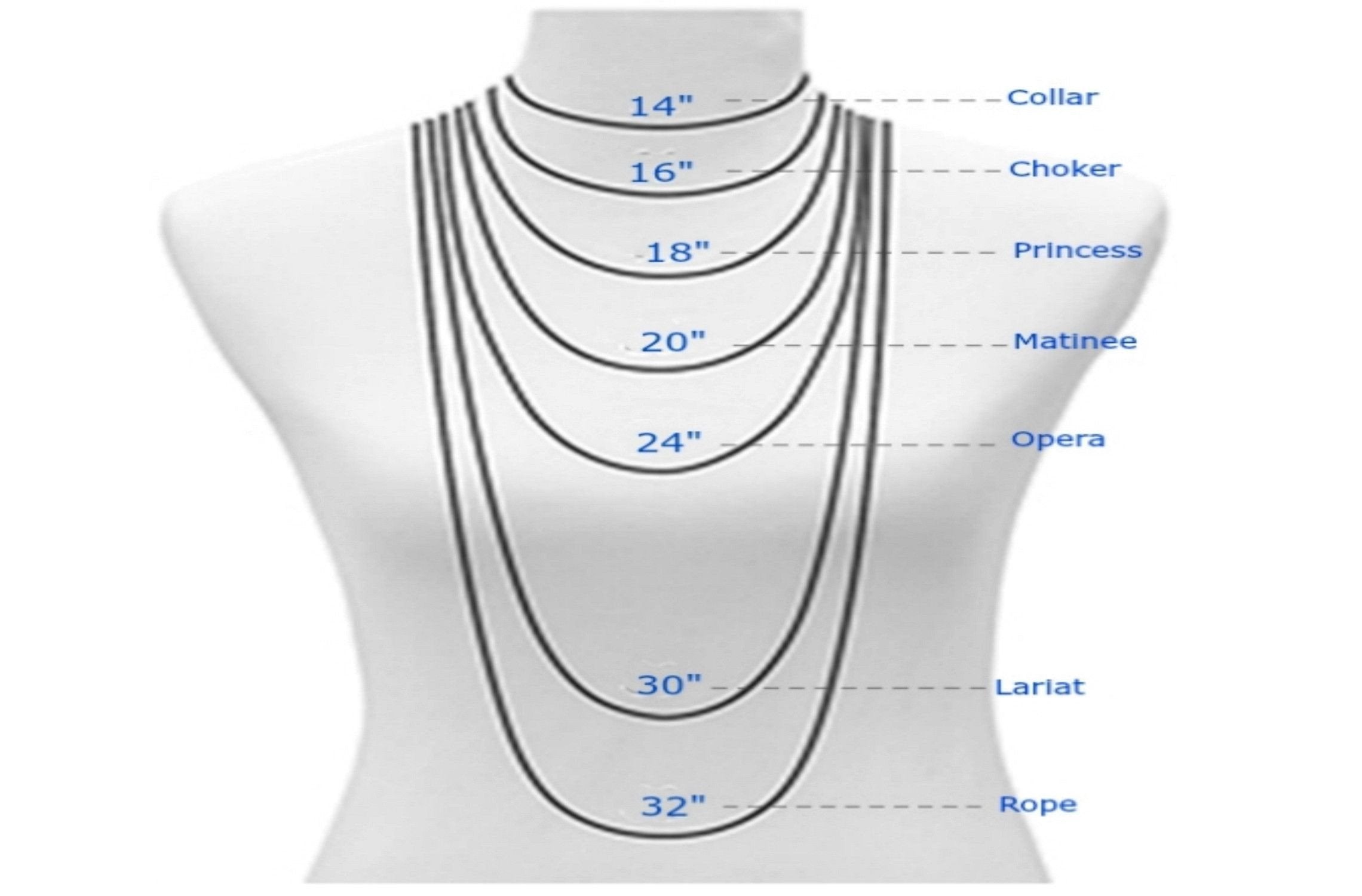
- Plunge or deep V necklines: a 16" choker sits high and stays clear of the fabric, so it doesn't get lost.
- Bralette or triangle-cup styles with an open chest: an 18" strand tends to land right at or just above the cups, which frames rather than competes.
- Slip styles with thin straps and a low back: a 20" strand or a 36" rope worn long down the front adds drama without needing a matching necklace and bracelet set.
If you're shopping for pieces to build a full evening-in look around rather than just the necklace, Teddy Lingerie has a range of silk and lace styles with the kind of simple necklines that actually give a pearl strand somewhere to sit, rather than fighting it.
Silk cord and knotting care against skin
A properly made strand is hand-knotted on silk thread, with a small knot tied between each pearl. That knotting does two things: it stops pearls from rubbing directly against each other, and it keeps the whole strand from unraveling if the cord ever breaks. Worn against skin more often, that silk cord will pick up natural body oils faster than it would over clothing, so it's worth letting a strand air out and rest between wears rather than putting it straight back in a jewelry box.
Over time, silk cord does stretch, especially with regular wear close to the body. If a strand starts to look loose between pearls or the knots look like they've slid, that's the signal to have it re-strung rather than to keep wearing it as is.
Keep perfume and lotion off the strand
This is the one habit that shortens a pearl strand's life faster than anything else. Perfume, body oil, and lotion all contain chemicals that dull nacre and weaken silk thread with repeated contact. The fix is simple and just requires reordering your routine: apply lotion, let it absorb, spray perfume, wait a minute for it to dry, then put the pearls on last. Same logic applies to hairspray. When the evening's over, wipe the strand gently with a soft, dry cloth before putting it away — this pulls off any oils it picked up from skin contact without needing any cleaning product at all.
For a longer breakdown of storage, cleaning, and how often to get a strand re-strung, our guide on how to care for freshwater pearl jewelry covers it in more detail than we can here. If you're newer to buying pearls and want to understand what separates a well-made strand from a cheap one before you invest in a piece meant for this kind of wear, start with our pearl grading guide.
Every strand we sell is genuine cultured freshwater pearl, hand-knotted on silk with sterling silver clasps, made the way we've made them since we started out on Canal Street in New York. We're currently sold out while we restock, but you can browse the full collections or look at baroque pearl jewelry for something with more irregular, tactile shapes. If you have questions about which length works for a specific neckline, reach out and we're happy to help.