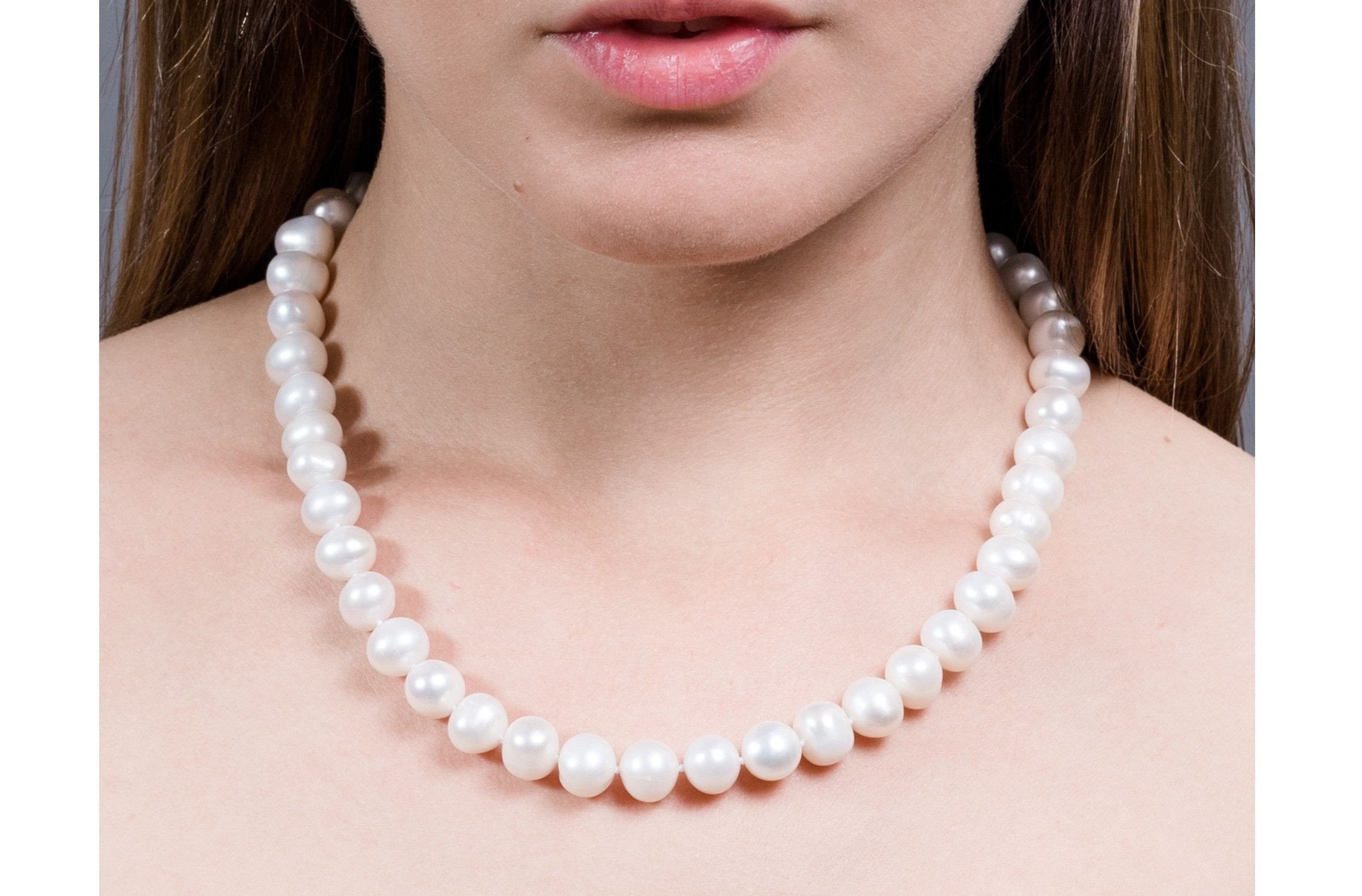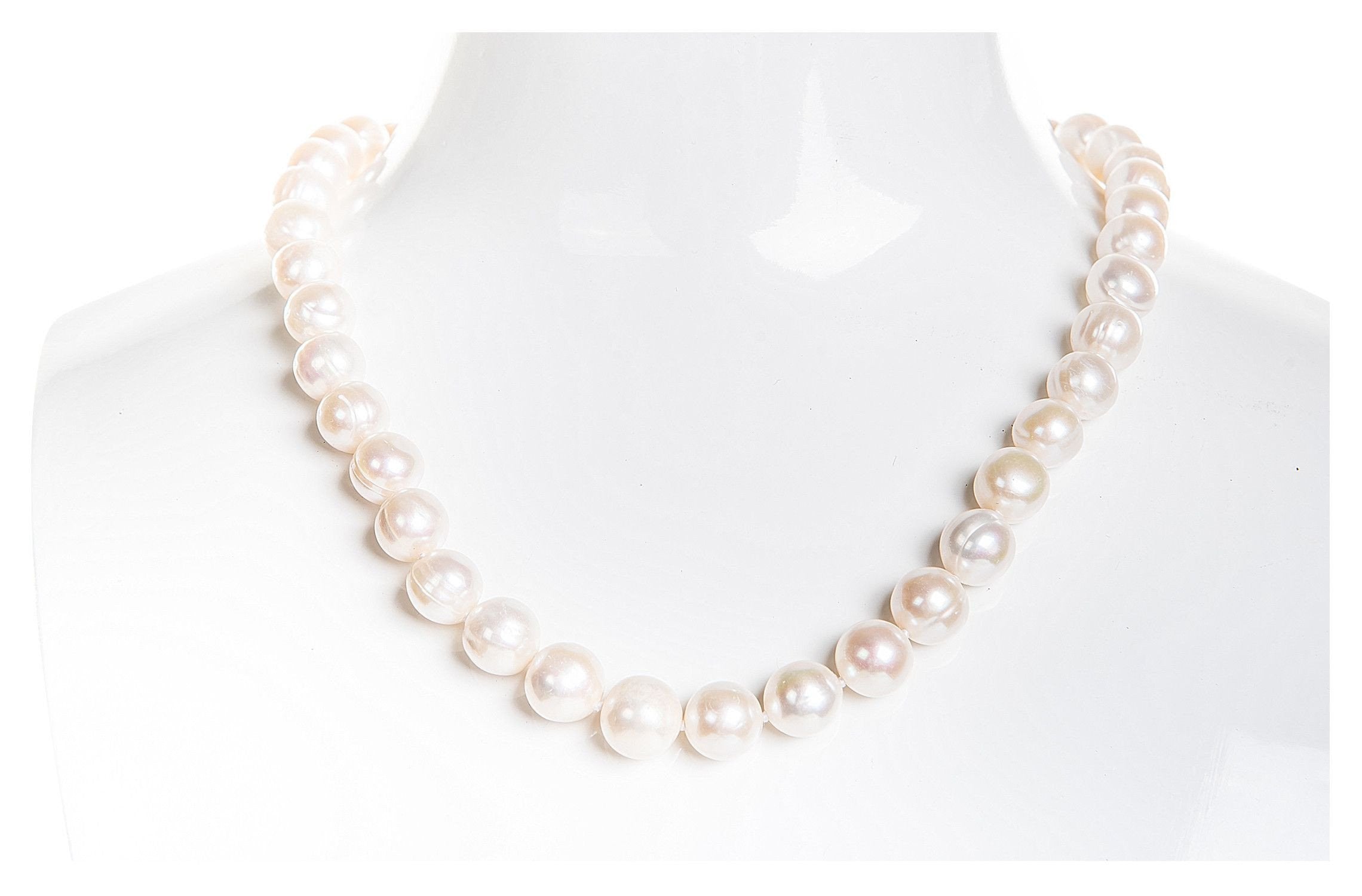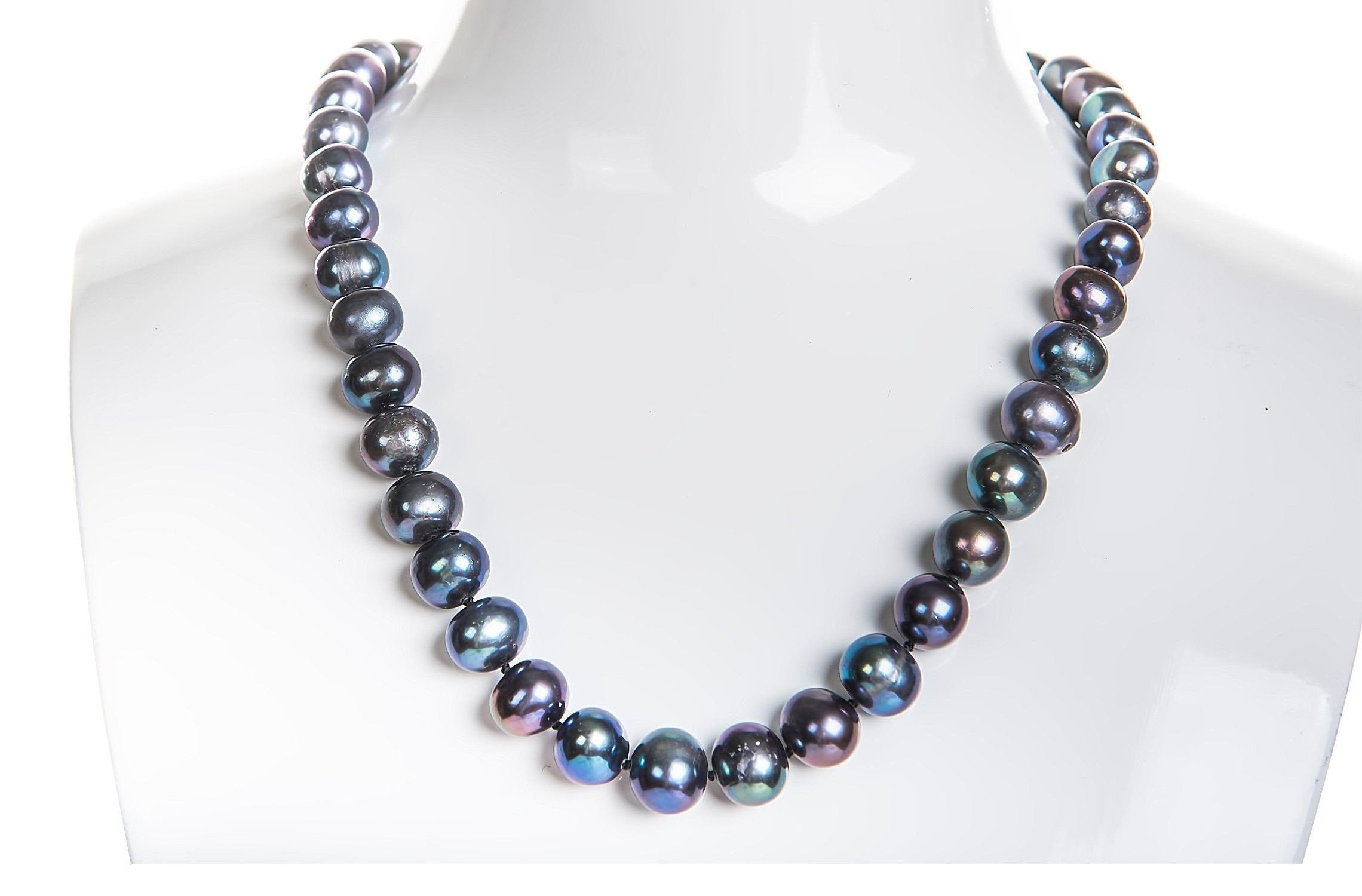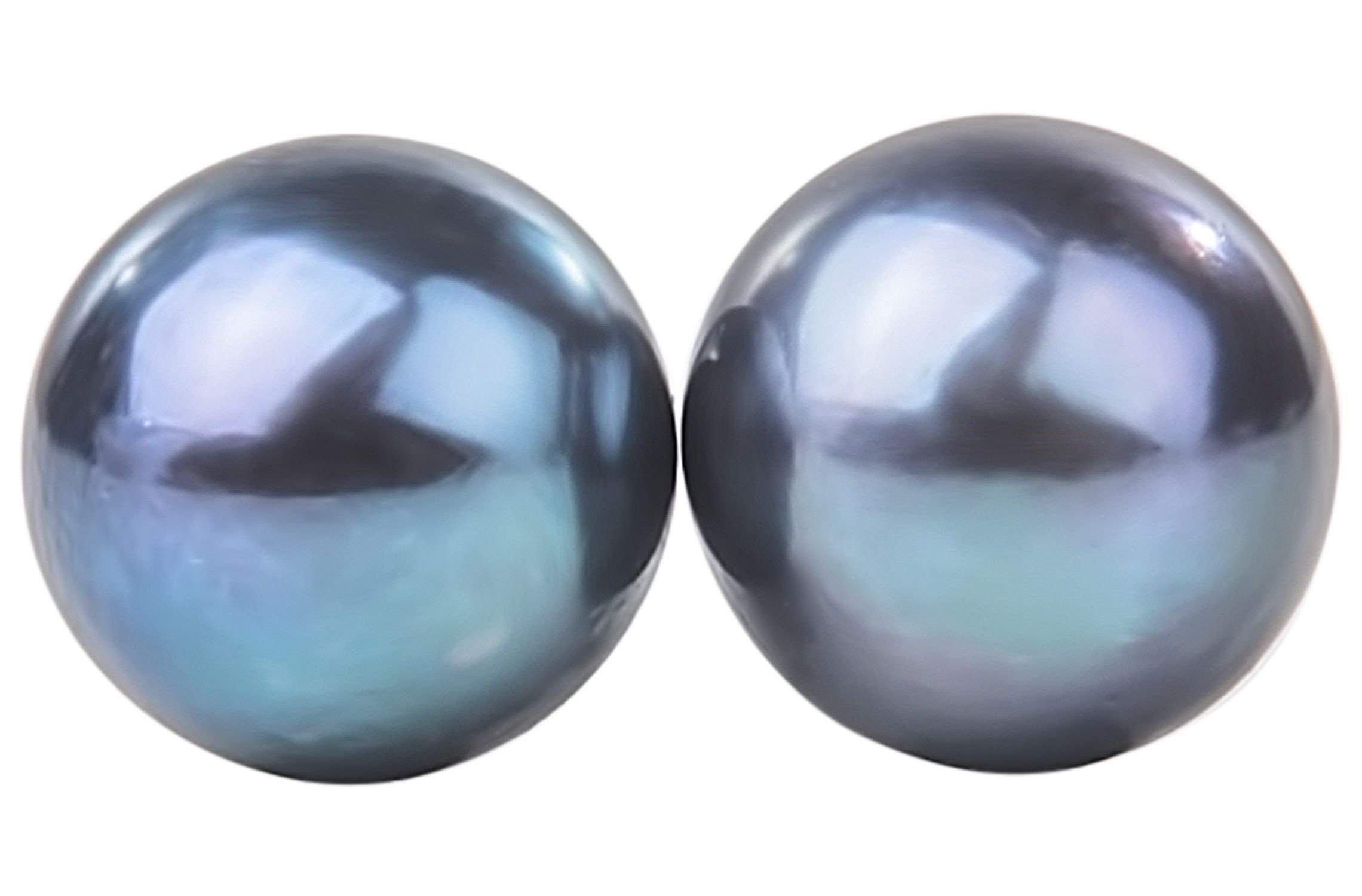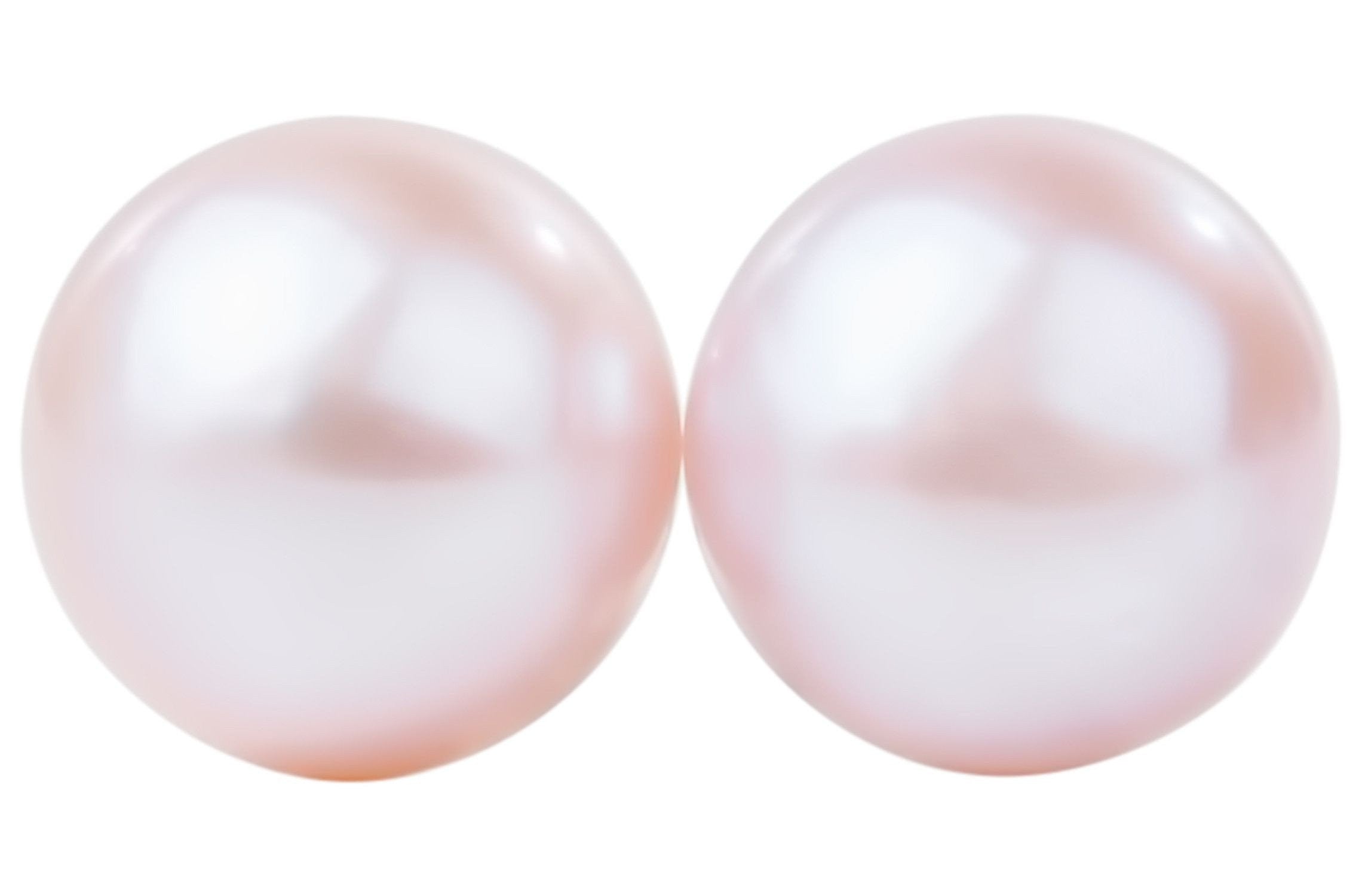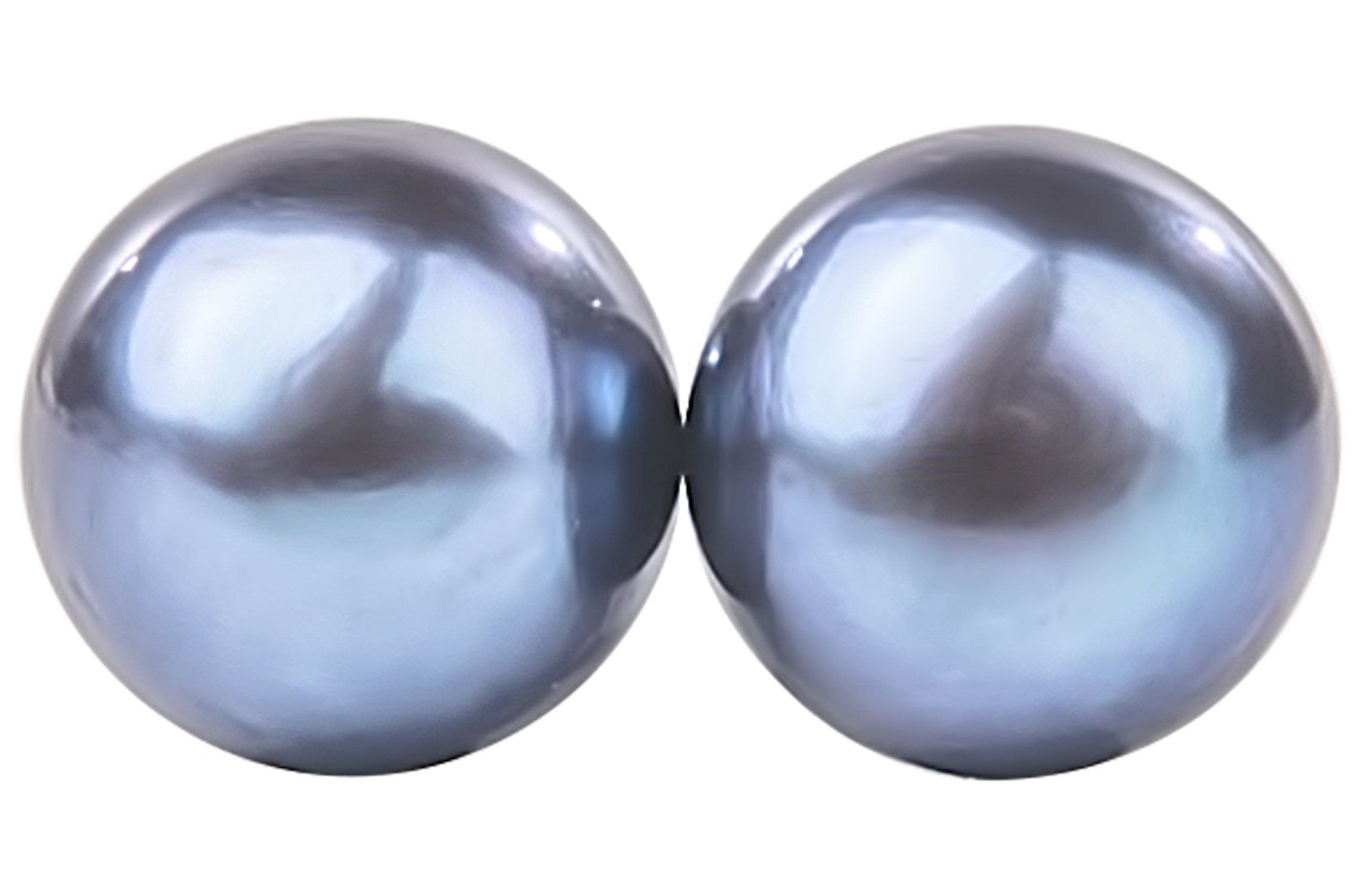
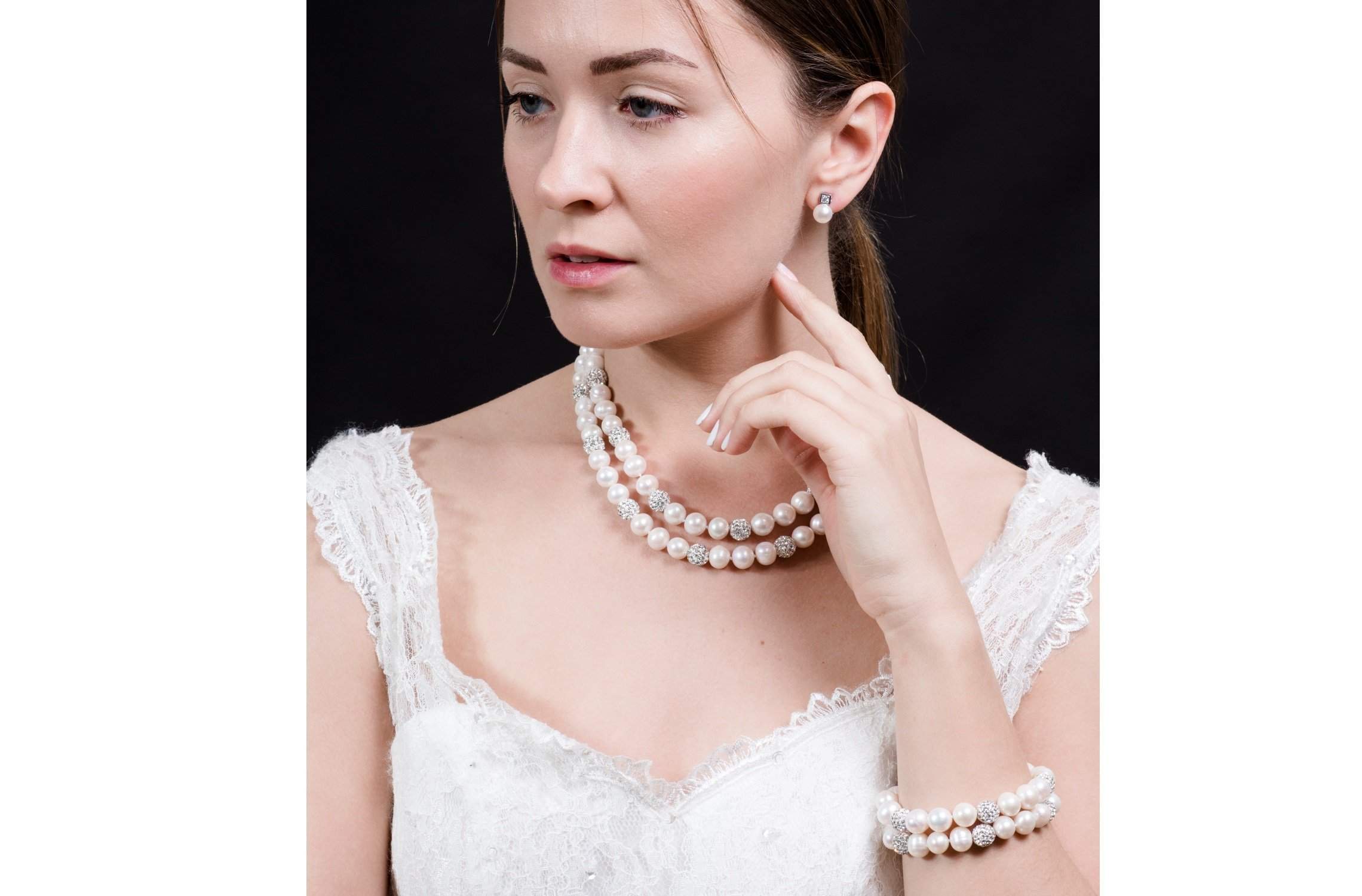
Luster is the thing people mean when they say a pearl "glows," and it's the single biggest reason two pearls of the same size can sit at wildly different prices. It's also physical, not a marketing word — you can explain it, and once you can, you'll never look at a strand the same way.
What's actually happening on the surface
A pearl forms as thousands of microscopic aragonite platelets, laid down in overlapping layers and held together by a protein called conchiolin. Light hits these layers, reflects off some, passes through and reflects off deeper ones, and interferes on its way back out. That layered reflection is what gives a good pearl its depth — you're not seeing one shiny surface, you're seeing several, stacked. Thin, poorly formed nacre has fewer usable layers, so light bounces off the surface flatly instead of traveling through it. That's the physical difference between a pearl that glows and one that just shines.
Thin nacre vs. thick nacre
Nacre thickness is a matter of time. The longer a pearl is left to grow (undisturbed, inside the mussel or oyster), the more platelet layers accumulate. Rushed harvests mean thin nacre, and thin nacre almost always means weaker luster, because there simply isn't enough material for light to travel through convincingly. Thin nacre can also wear through faster with everyday handling, exposing a duller layer underneath over years of wear.
The window test
Here's a simple check you can do with any strand near a window or lamp. Hold the pearl a few inches from your eye and look at its surface. A pearl with strong luster will show a sharp, distinct reflection of the light source — you should be able to make out the edges of the window frame or the bulb's shape in the reflection. A chalky, low-luster pearl gives you a smeared, diffuse glow instead, more like looking at a light through frosted glass. This test costs nothing and takes ten seconds, and it tells you more about quality at a glance than almost anything else you can check yourself.
Why chalky pearls happen
"Chalky" is the trade word for a pearl whose nacre platelets are thin, irregular, or poorly aligned, so light scatters instead of reflecting cleanly. It usually traces back to a pearl grown too fast, harvested too early, or grown in crowded, lower-quality conditions. A chalky pearl isn't fake, and it isn't necessarily low-grade in every sense (it might still have decent shape and color), but it will never look as alive as a high-luster one, no matter how it's polished or set.
Luster changes with light
Look at the same strand under a warm incandescent bulb, then under daylight, then under harsh fluorescent office light. Luster will look different in each — daylight tends to be the fairest test because it's full-spectrum and even. If you're evaluating pearls under a single dramatic spotlight in a shop, ask to step near a window or door. A pearl that only looks good under one specific light is telling you something.
Why luster beats size
An 8mm pearl with weak, chalky luster will look smaller and cheaper than a 6mm pearl with a sharp, deep glow, because luster is what your eye actually reads as quality from across a room. Size is easy to measure and easy to market. Luster takes a trained eye or a simple window test, which is probably why so many listings lead with millimeters and say little about how the pearl actually reflects light.
For more on how graders try to standardize all this (and why it's messier than it sounds), see our pearl grading guide and our comparison of grading scales, AAA vs A. If you're deciding between smooth round pearls and something with more texture, our guide to baroque pearl jewelry covers how luster reads differently on irregular shapes.
We hand-knot our strands from genuine cultured freshwater pearls finished with sterling silver, a practice that goes back to our first counter on Canal Street in New York City. We're currently sold out while we restock — check collections for updates, or get in touch through contact.