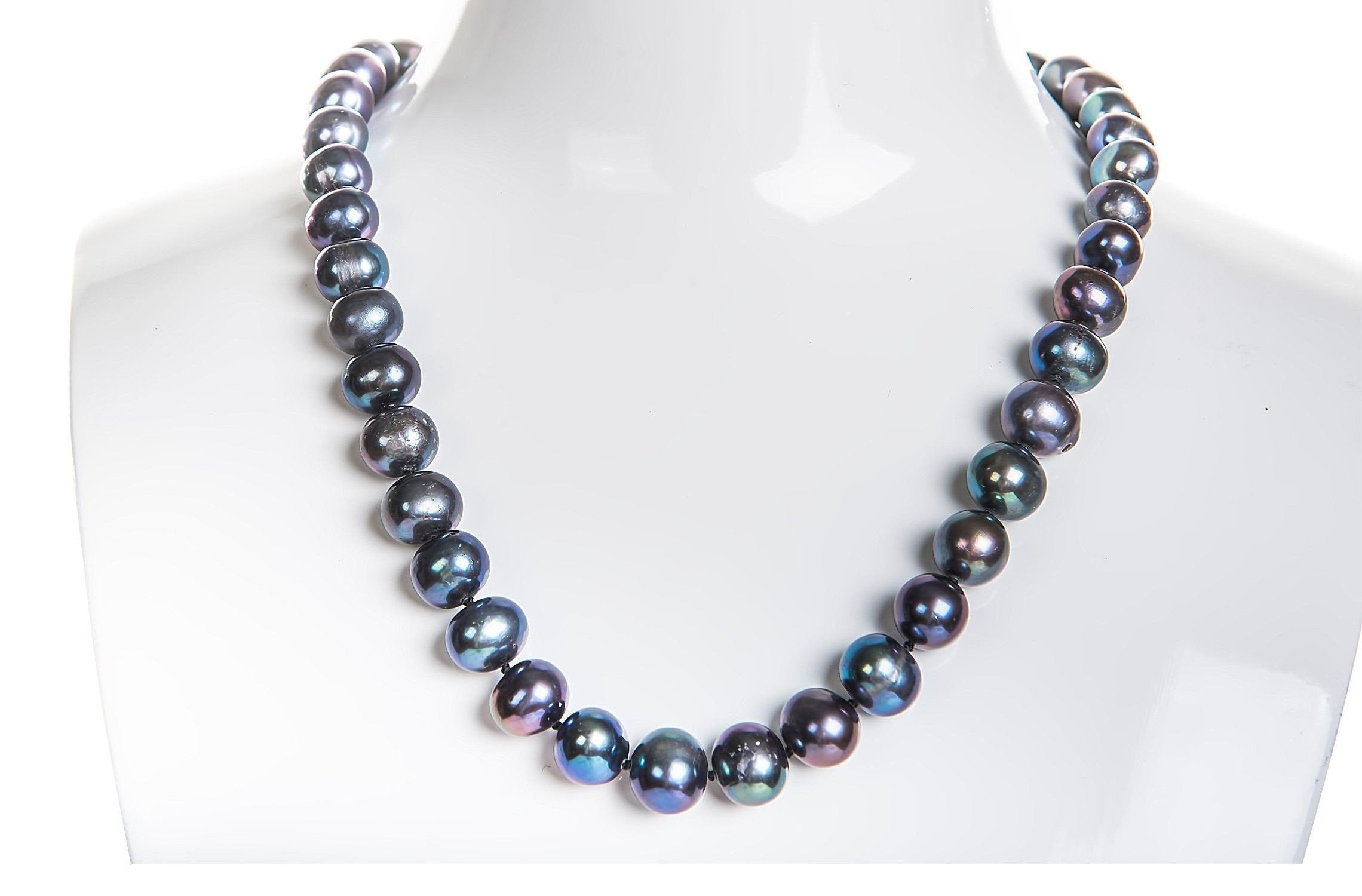
Pearl color is really three things layered on top of each other, and jewelers who use the words loosely will happily sell you a pearl without ever explaining the difference.
Body color
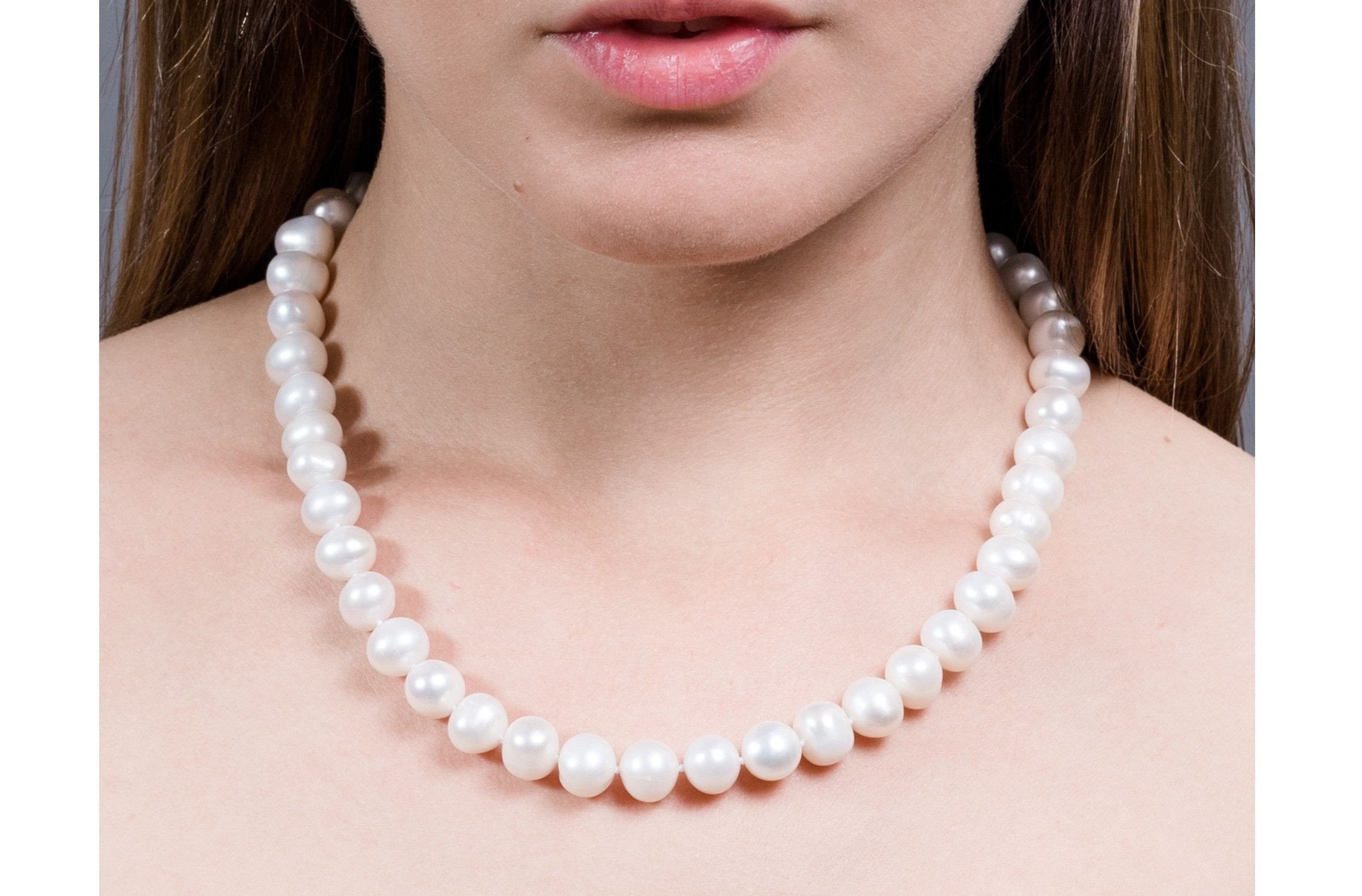
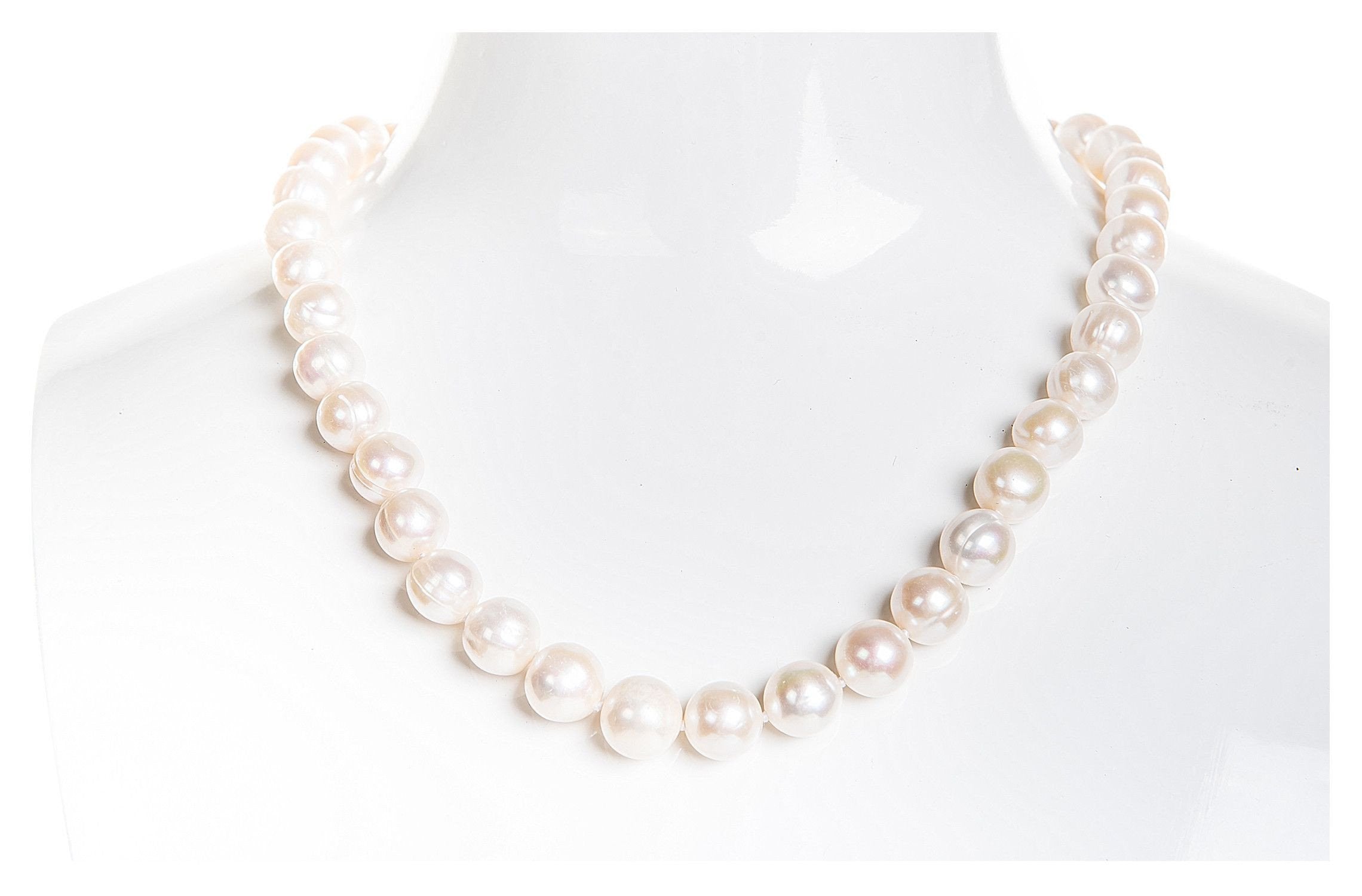
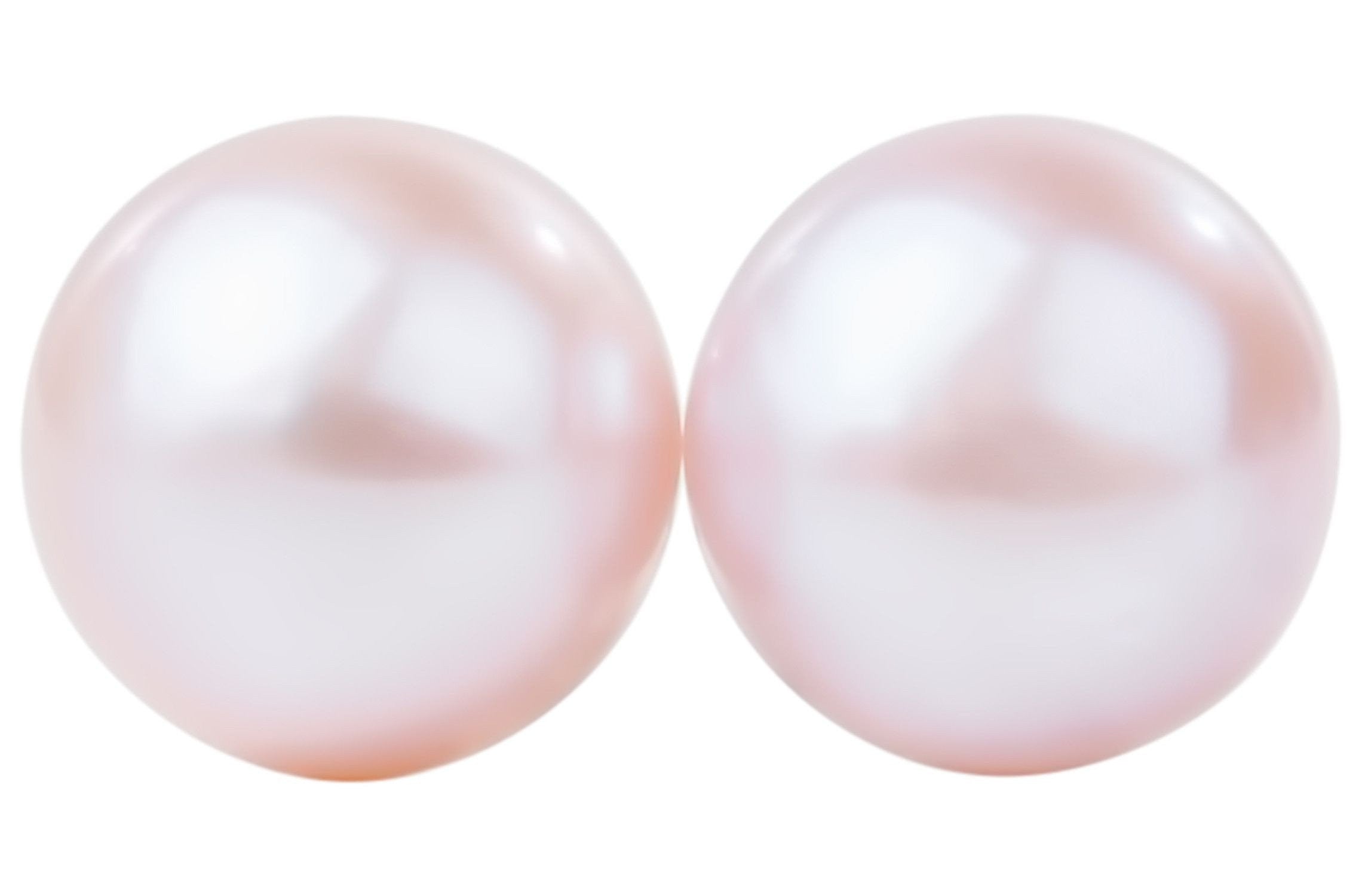
This is the dominant color of the pearl itself, the one you'd name if someone asked "what color is that strand." White, cream, pink, peach, and lavender are the natural body colors that occur in freshwater pearls without any dye. Lavender in particular is almost unique to freshwater pearls, you rarely see it naturally in saltwater varieties.
Overtone
Overtone is a secondary tint that floats over the body color, visible mainly when the pearl catches light at certain angles. A cream pearl might carry a rose overtone, or a white pearl a faint silvery one. Overtone is subtle and some pearls barely show any, which isn't a flaw, it's just how that particular pearl formed.
Orient
Orient is the rarest of the three: a shimmer of rainbow color that seems to move across the surface as the pearl turns, similar to what you'd see in mother-of-pearl. Not every pearl has it, and it shows up more often on high-luster, thick-nacre pearls than on dull ones.
All three of these sit on top of luster, which is really about how sharply light reflects off the surface rather than what color that reflection is. We cover that side of things separately in our guide to pearl luster.
Natural color versus dyed color
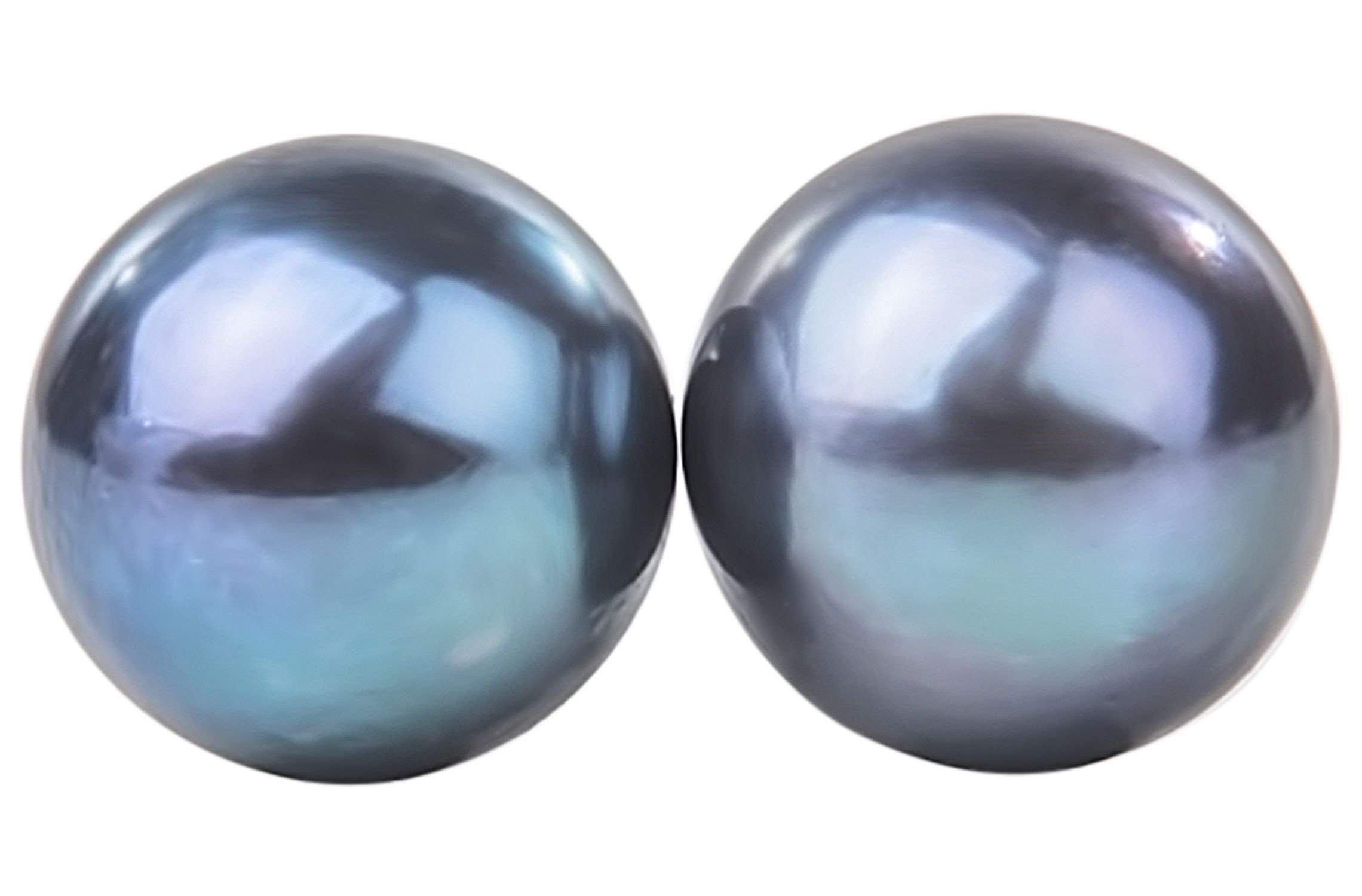
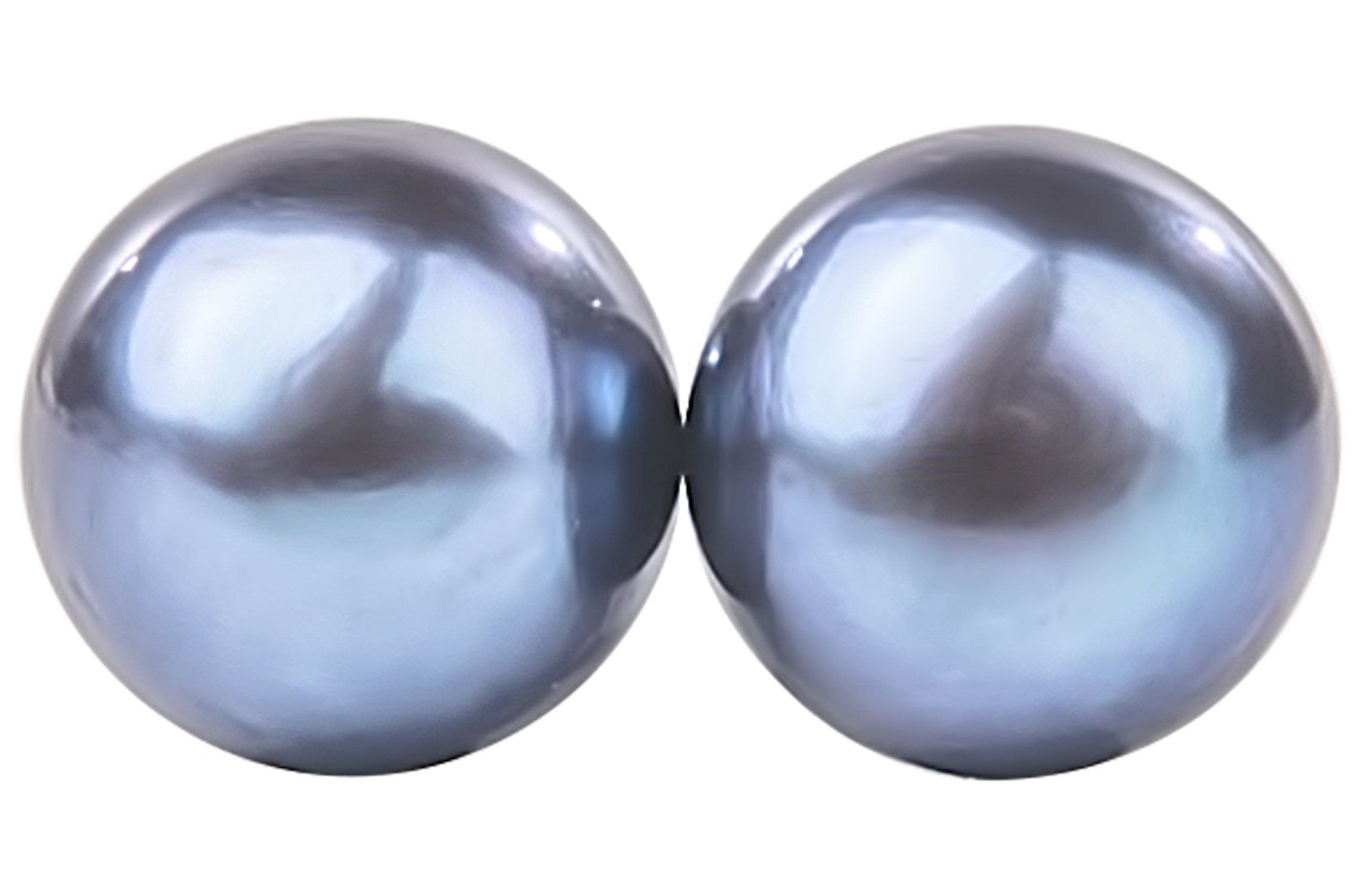
White, cream, pink, peach, and lavender can all occur naturally, with no treatment. Black, gold, and peacock (a dark green-to-purple iridescent color) are almost always the result of dyeing, since true natural black or gold freshwater pearls are extremely uncommon and not what you're going to find at accessible prices. There's nothing wrong with a dyed pearl as long as it's sold to you honestly as one, dyeing is standard practice across the pearl trade and has been for a long time.
The tell is usually at the drill hole. Dye gets absorbed unevenly, and it often pools or looks noticeably darker right around the hole where the pearl was drilled, compared to the more even color across the rest of the surface. A loupe helps, but you can often see it with the naked eye if you look closely at a few pearls on the strand. Overtone and orient are also usually flattened out on a dyed pearl, since heavy dye can mask the subtler natural effects underneath. If you're buying online and can't inspect the drill hole yourself, ask the seller directly whether the color is natural or treated, a straight answer is a good sign either way.
Choosing a color for your skin
This is personal taste more than science, but a few general patterns hold up:
- Warmer skin tones (gold or peachy undertones) tend to look good against cream, peach, and gold-toned pearls.
- Cooler skin tones (pink or blue undertones) often pair well with white, silvery-white, and lavender pearls.
- Black and peacock pearls read as fairly neutral and tend to work across most skin tones, since the contrast does most of the work rather than a close color match.
If you're not sure which category you fall into, hold a strand up against the inside of your wrist in daylight rather than under indoor bulbs, which can shift how a color reads.
Every pearl we sell at Pearl Rack is genuine cultured freshwater pearl, hand-knotted, finished with sterling silver, out of our shop that started on Canal Street. Dyed color is normal in this trade, but it should always be stated on the listing rather than left for you to find at the drill hole. Everything is sold out while we restock, so have a look at our collections for what's returning, and if you want help matching a color, ask us directly. For more on how we grade and describe pearls generally, see our pearl grading guide.