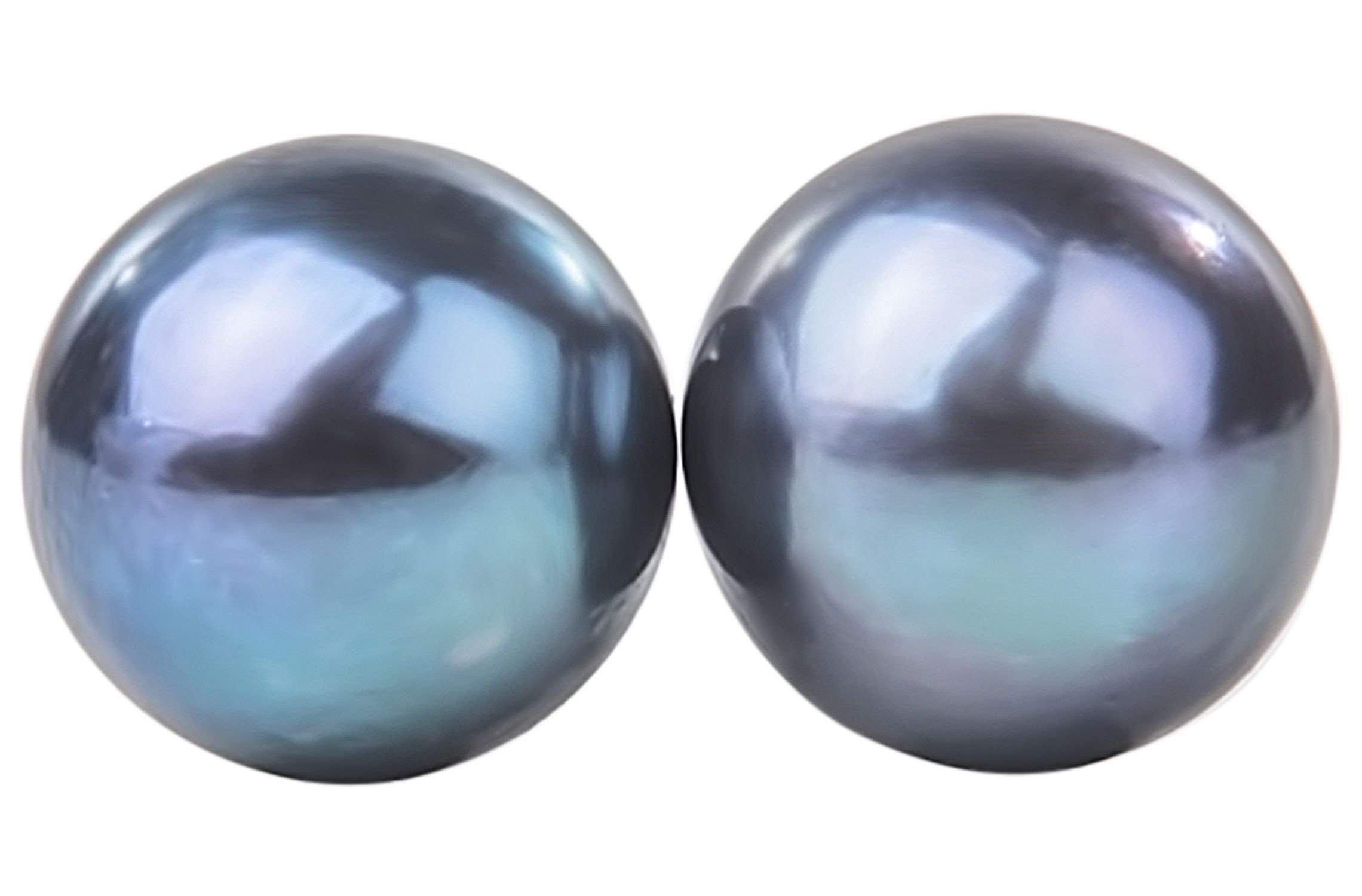
Two very different animals, two very different pearls
Akoya pearls grow in saltwater oysters, mostly farmed off Japan and China. Freshwater pearls grow in mussels raised in ponds and rivers, overwhelmingly in China now. That single difference in the host animal explains almost every other difference between the two, so it's worth starting there instead of jumping straight to price.
Akoya oysters are usually nucleated with a round bead and produce one pearl per animal per cycle. The nacre that forms around that bead tends to be thinner but grows in tight, mirror-like layers, which is part of why akoya pearls have that sharp, almost metallic shine people associate with "classic" pearl jewelry. Freshwater mussels carry many grafts at once and, on most modern strands, no bead nucleus at all, just nacre built up around soft tissue. The nacre is thicker as a result, but the shine reads softer, more of a glow than a mirror.
Side by side
| Freshwater | Akoya | |
|---|---|---|
| Nacre thickness | Thick, solid nacre through most of the pearl | Thinner, wrapped around a bead nucleus |
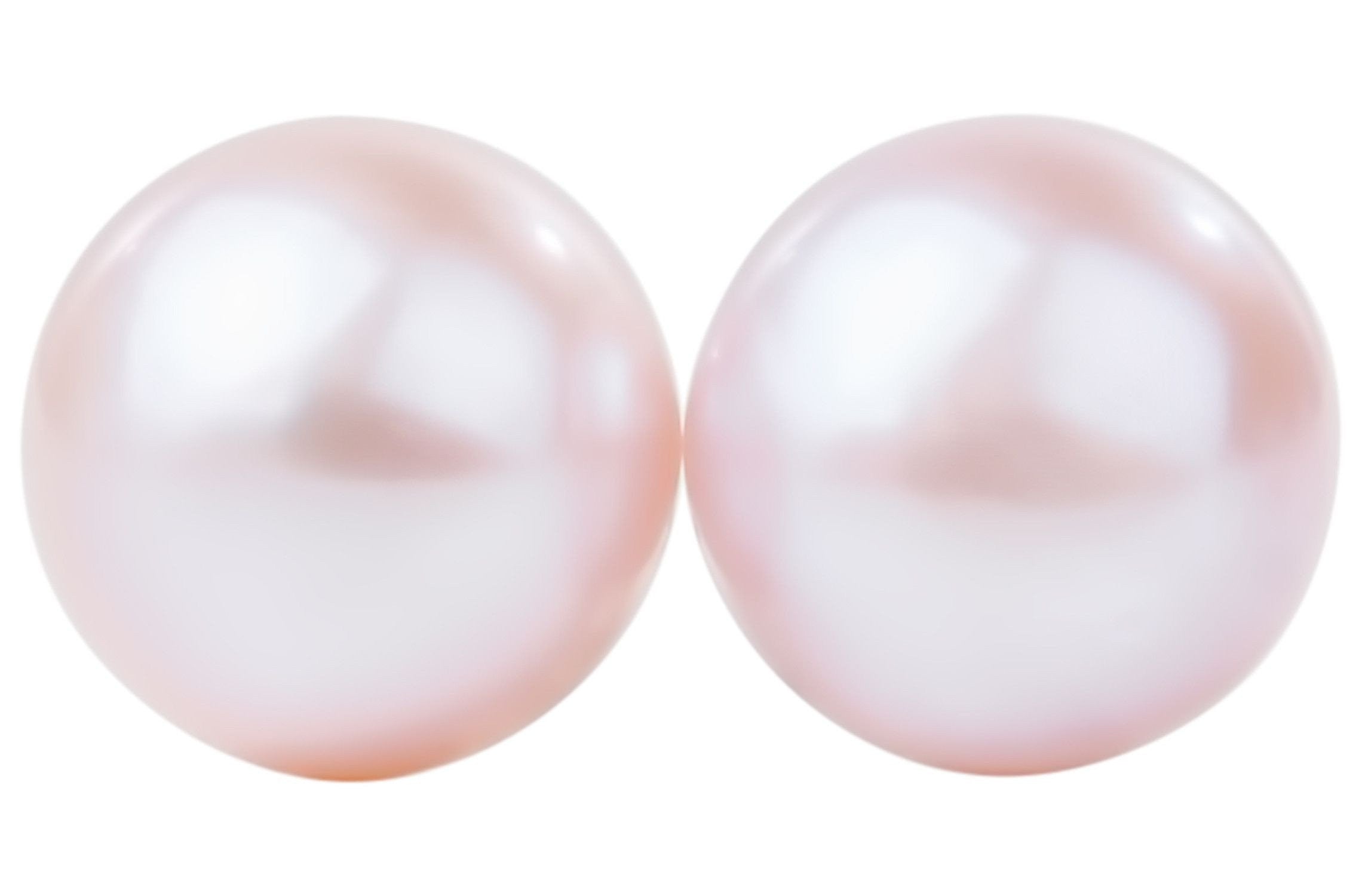
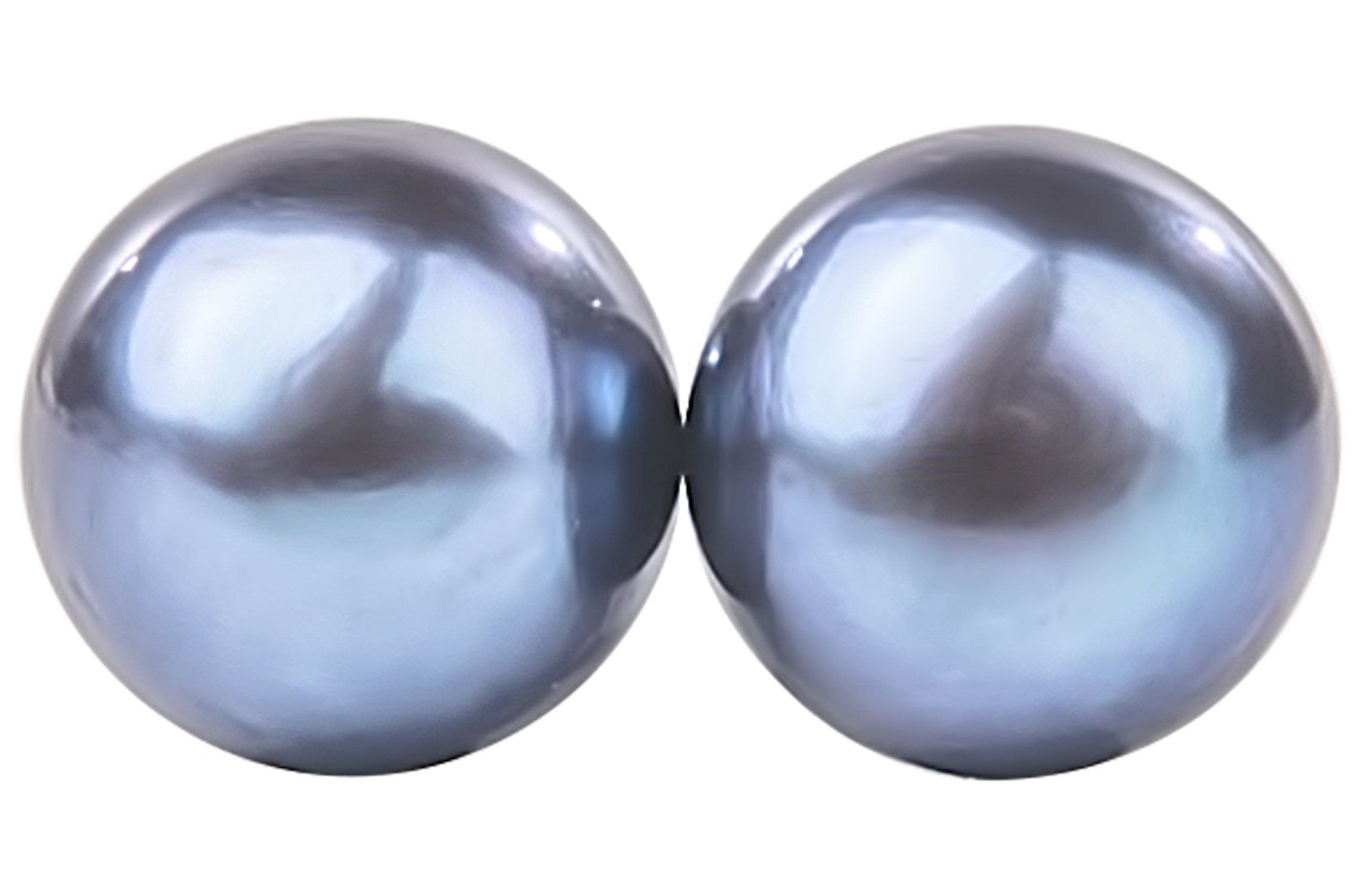
| Luster character | Soft, satiny glow | Sharp, glassy reflection |
| Roundness | Ranges from near-round to baroque and rice-shaped | Generally very round, since the bead nucleus forces the shape |
| Typical size | About 6mm to 12mm, sometimes larger | About 6mm to 9mm, rarely bigger |
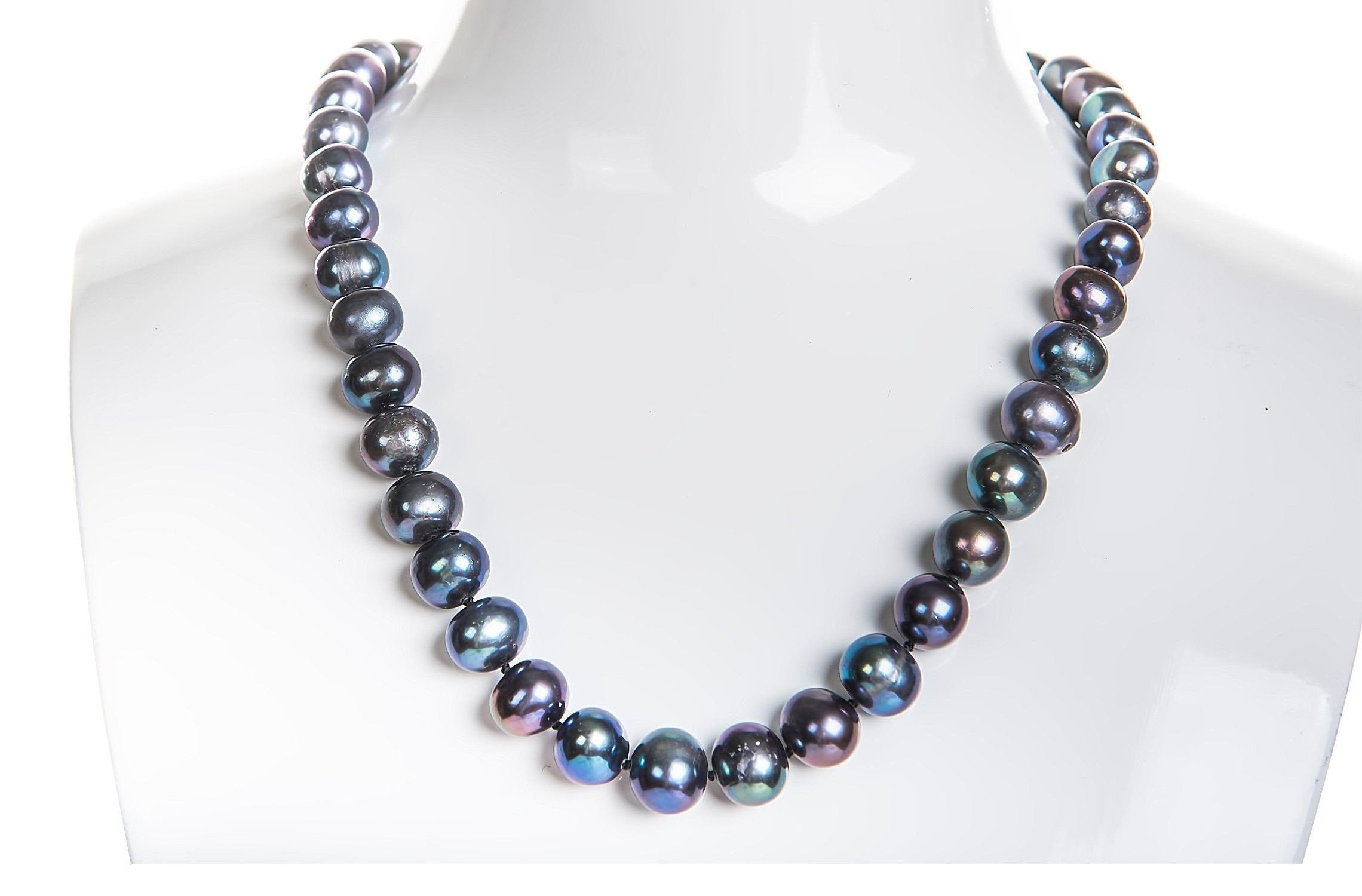
| Common treatments | Dyeing for color (black, gold, peacock); bleaching is common on white strands | Bleaching and pinking are standard industry practice |
| Price | Generally lower | Generally higher, especially in larger, rounder sizes |
Roundness deserves a caveat: freshwater pearls can absolutely be round, and very good ones are, but round freshwater strands cost more precisely because true roundness isn't guaranteed the way it more often is with a nucleated akoya pearl. A lot of freshwater's appeal is actually in the baroque, drop, and rice shapes that occur naturally, which we cover on its own in our baroque pearl jewelry page.
Which one for daily wear
Nacre thickness matters most here. A thick-nacre freshwater pearl can take years of knocking against desks, seatbelts, and dinner tables and still look fine, because there's a lot of material between the surface and the core. Thin-nacre akoya pearls need a bit more care, since wearing through the nacre eventually exposes the bead underneath. That doesn't make akoya fragile, it's still a durable pearl, it just means the margin for error is smaller.
Price is the other real-world factor. Freshwater strands let you wear pearls without babying them, which matters if you're the kind of person who forgets jewelry is delicate until it's too late. If you want the sharper, dressier shine of akoya, save it for pieces you're not throwing in a gym bag.
Whichever direction you lean, luster and surface quality matter more than the freshwater-versus-akoya label by itself, and grading language across the trade is inconsistent, no global grading authority exists, so terms mean different things from seller to seller. We break that down in our pearl grading guide and go deeper on shine specifically in our piece on pearl luster.
At Pearl Rack we work only in freshwater pearls, hand-knotted, genuine cultured, finished in sterling silver, out of our original spot on Canal Street. Everything's sold out while we restock; check our collections for what's back in stock, or get in touch if you're deciding between sizes or shapes.