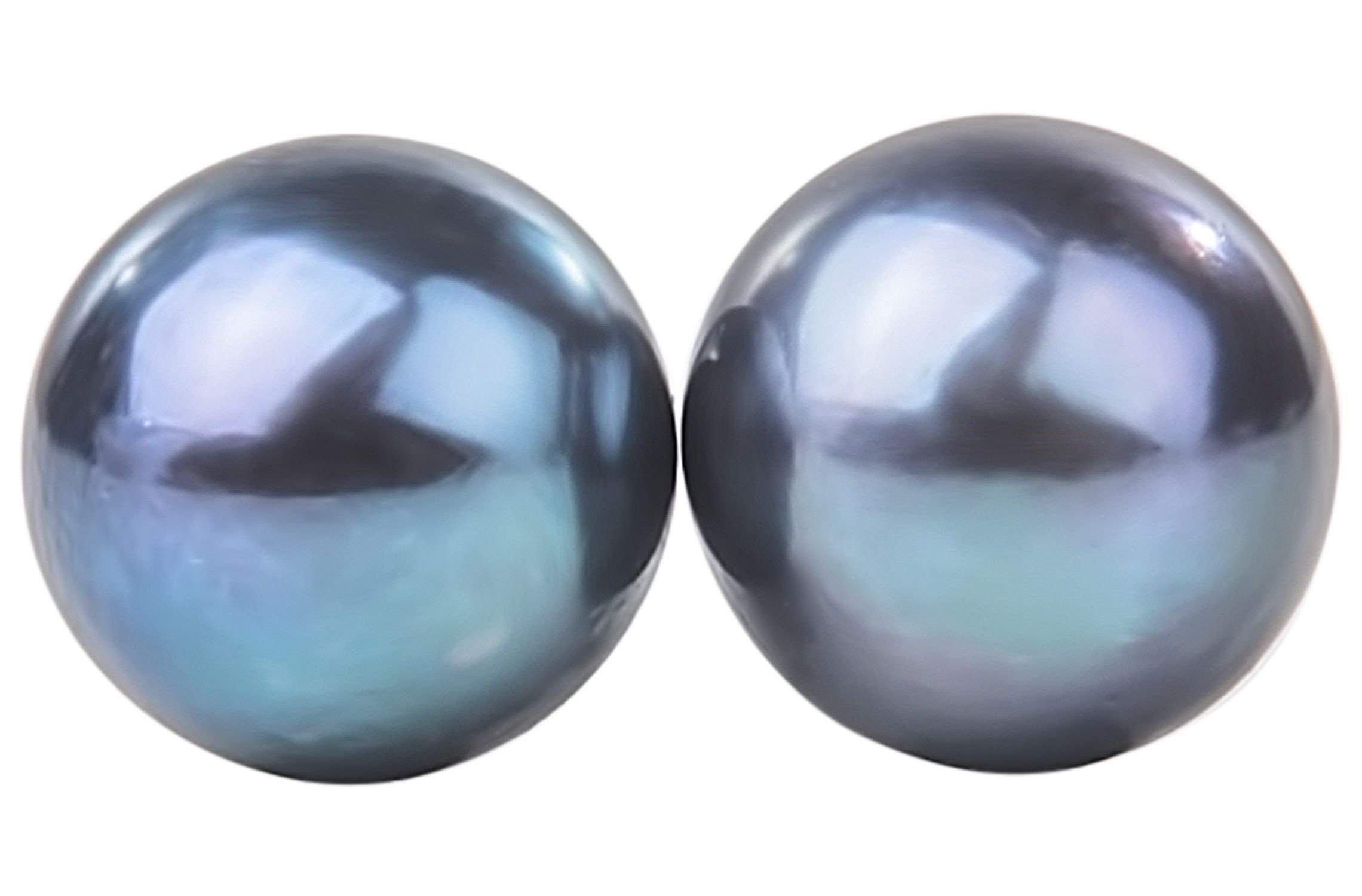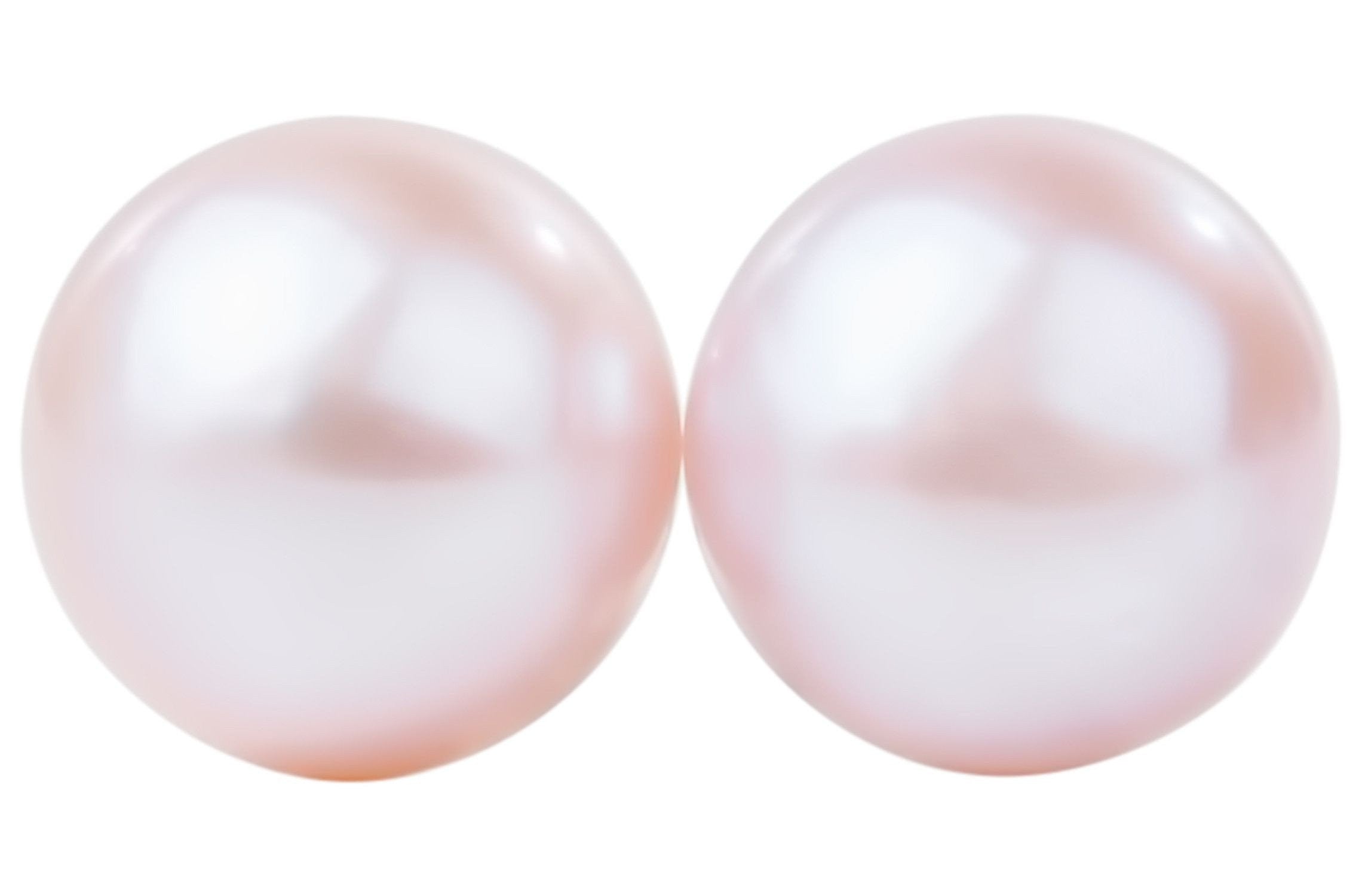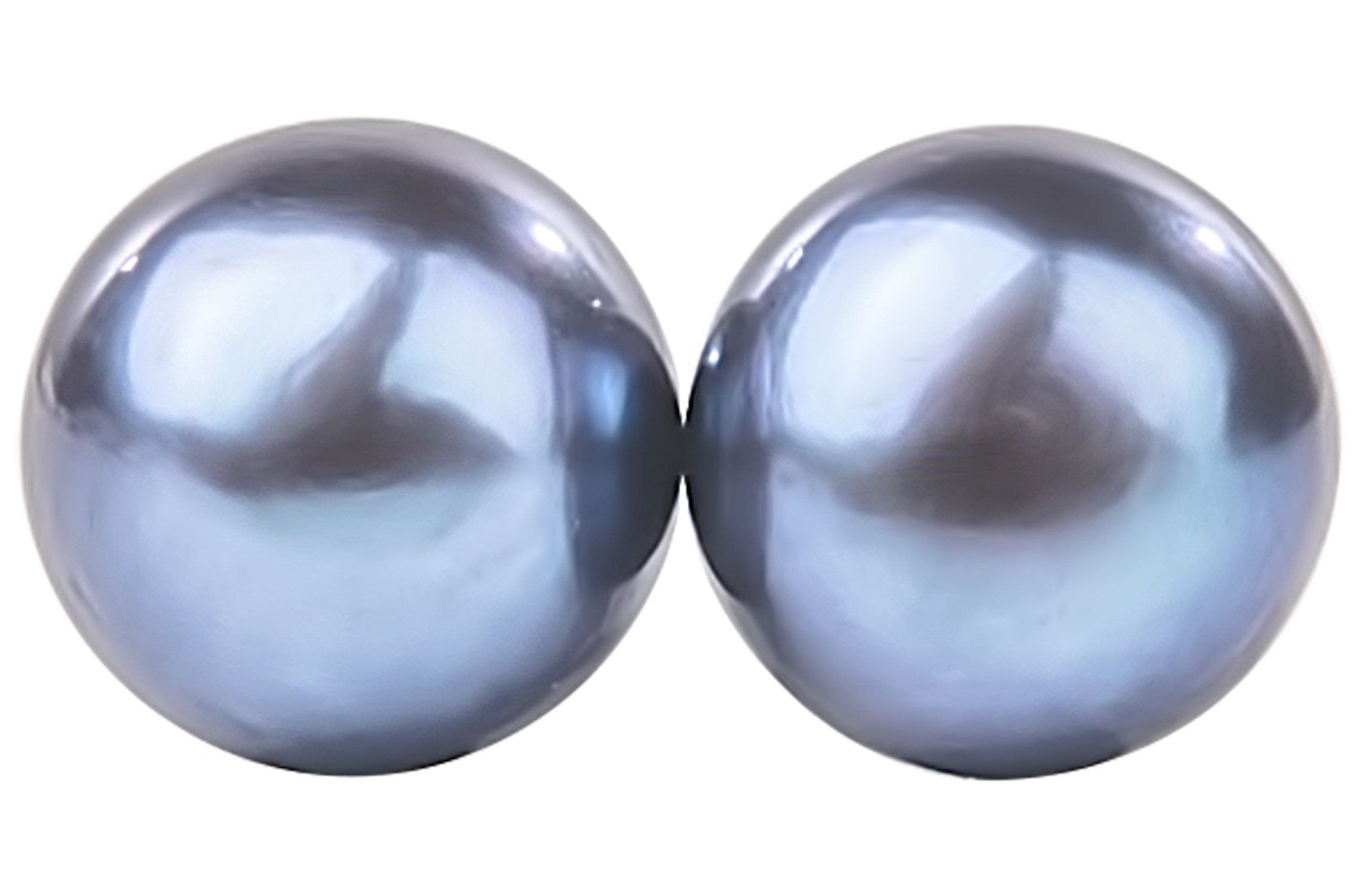
Two strands can both be labeled AAA, both freshwater, and be priced three times apart. The reason is simple: there is no global authority handing out pearl grades. AAA on one tag and AAA on another can describe genuinely different pearls, because sellers are grading themselves.
Two systems, same letters, different meanings
The trade generally uses two overlapping scales, and confusing them is where most of the trouble starts.
| Scale | Typically used for | Range |
|---|---|---|
| A to AAA | Freshwater and Akoya pearls | A (lowest) up to AAA (highest) |
| A to AAAA / A-D | Tahitian and South Sea pearls | Often A-D, sometimes stretched to AAAA at the top |
Notice the problem already: freshwater pearls usually top out at AAA, while some South Sea and Tahitian sellers use a fourth A or a reverse A-D system where A is actually the best grade, not the worst. A shopper skimming two listings can easily assume "more A's means better" and get it backwards.
Why two AAA strands can look so different
Because there's no independent lab standard behind most retail labels, "AAA" is really shorthand for "this seller's best." One shop might reserve AAA for pearls with near-flawless surfaces and a sharp mirror-like reflection. Another might apply it more loosely to anything reasonably round and shiny, because their AAA is really their whole top tier and they don't sell anything below A- or B-grade to begin with. Neither is necessarily lying. They're just using the same word to mean different thresholds, and there's no regulator checking their math.
What to ask instead of trusting the letters
Letters are a shortcut. If you want a real sense of what you're buying, ask the seller directly:
- What's the nacre thickness, and how was it measured?
- What percentage of the surface is blemish-free, roughly?
- Is the grade assigned in-house or by a third-party lab?
- Can you see the pearls in daylight or a photo taken in daylight, not just under studio lighting?
A seller who can answer specifically is grading with some rigor. A seller who just repeats "AAA, top quality" without detail is probably using the letters as a sales word, not a measurement.
Judging with your own eyes
You don't need a lab to get a decent read. Do the window test: hold a pearl near a light source and see if the reflection is sharp-edged or smeared (a smeared, chalky reflection undercuts any letter grade on the tag). Check for consistency down the strand rather than judging one pearl in isolation. Look at the drill holes with a loupe if you have one. And be honest about shape — a strand advertised as "round" that's visibly slightly off-round isn't automatically bad, but it shouldn't be priced or graded like a perfectly round strand either.
We'd rather you learn to see this yourself than take our word for it, which is part of why we wrote a fuller pearl grading guide and a breakdown of how luster actually works. If authenticity is your first concern before grade even comes up, start with how to tell if freshwater pearls are real.
Pearl Rack hand-knots genuine cultured freshwater pearls finished with sterling silver, a habit we started on Canal Street in New York City. We're sold out while we restock — check collections, or reach out via contact with questions about a strand you're considering elsewhere.