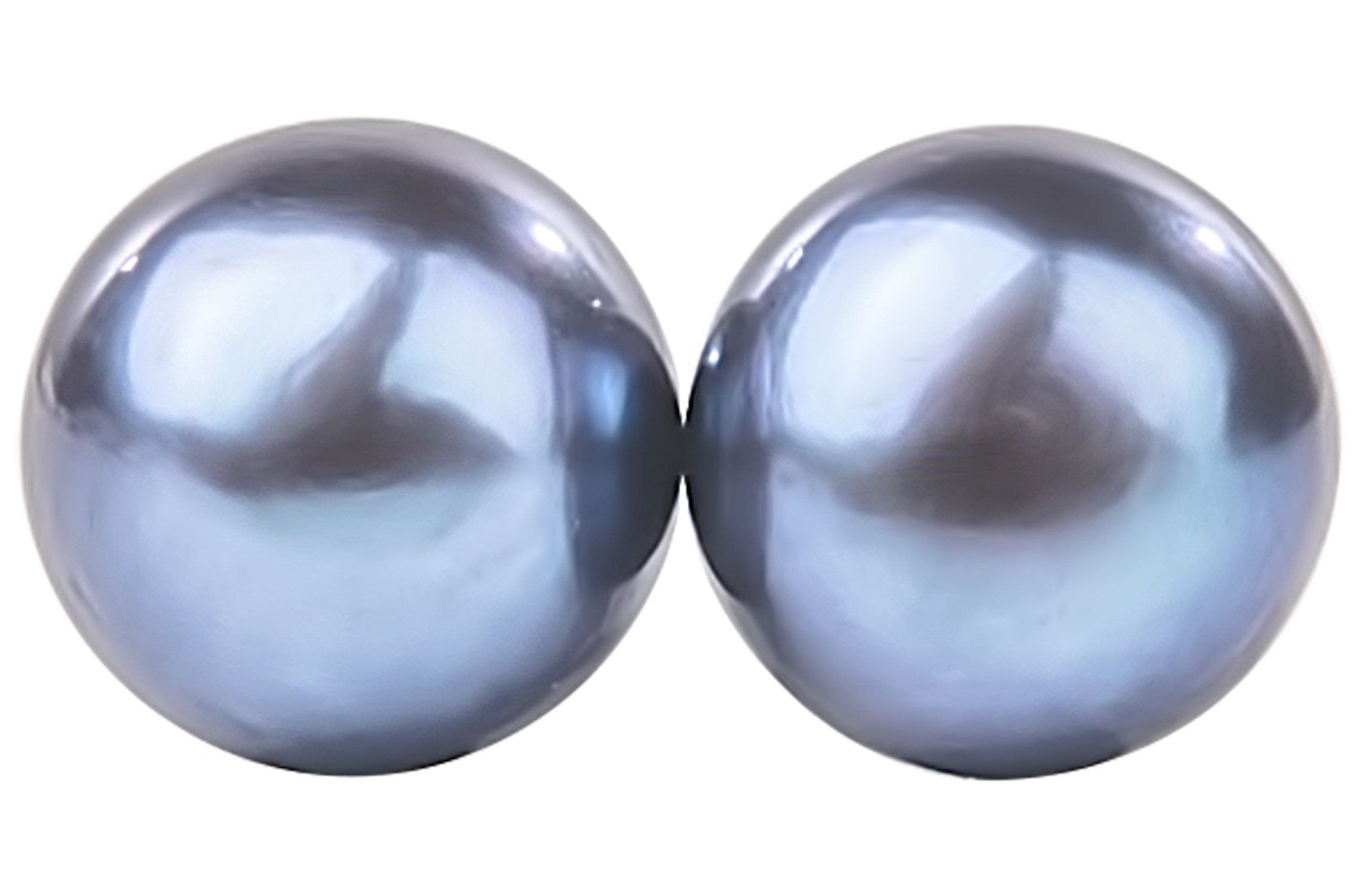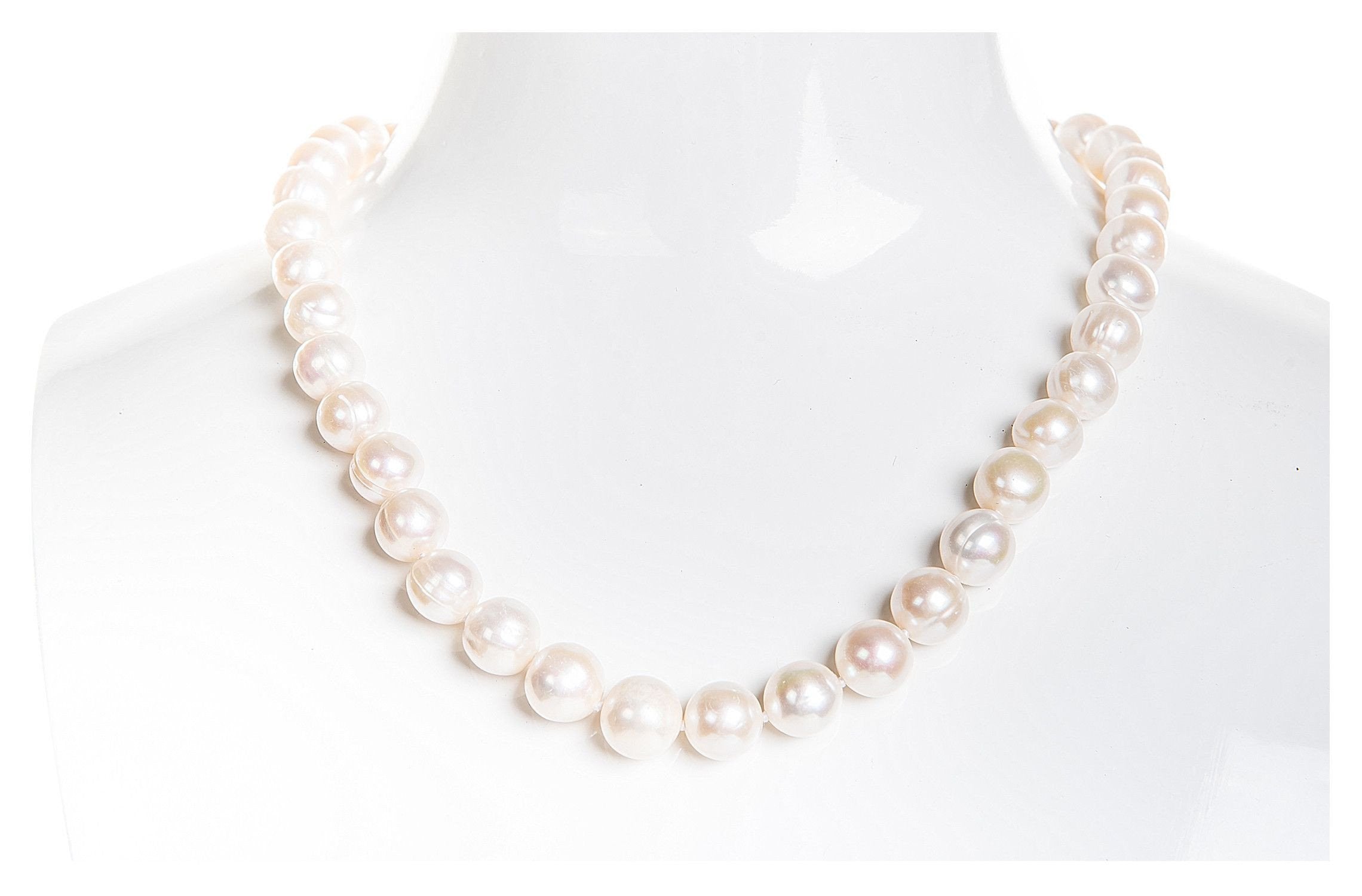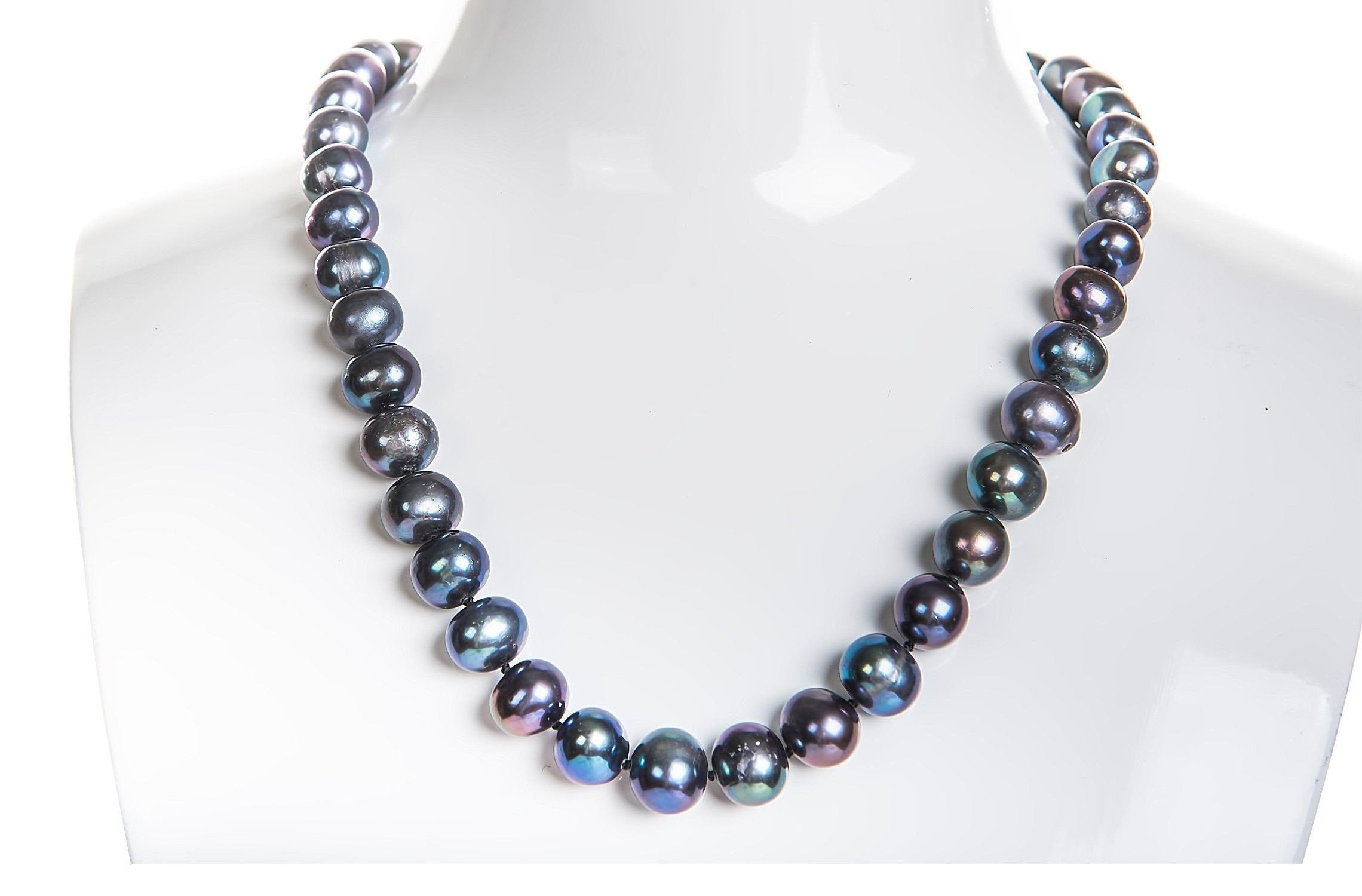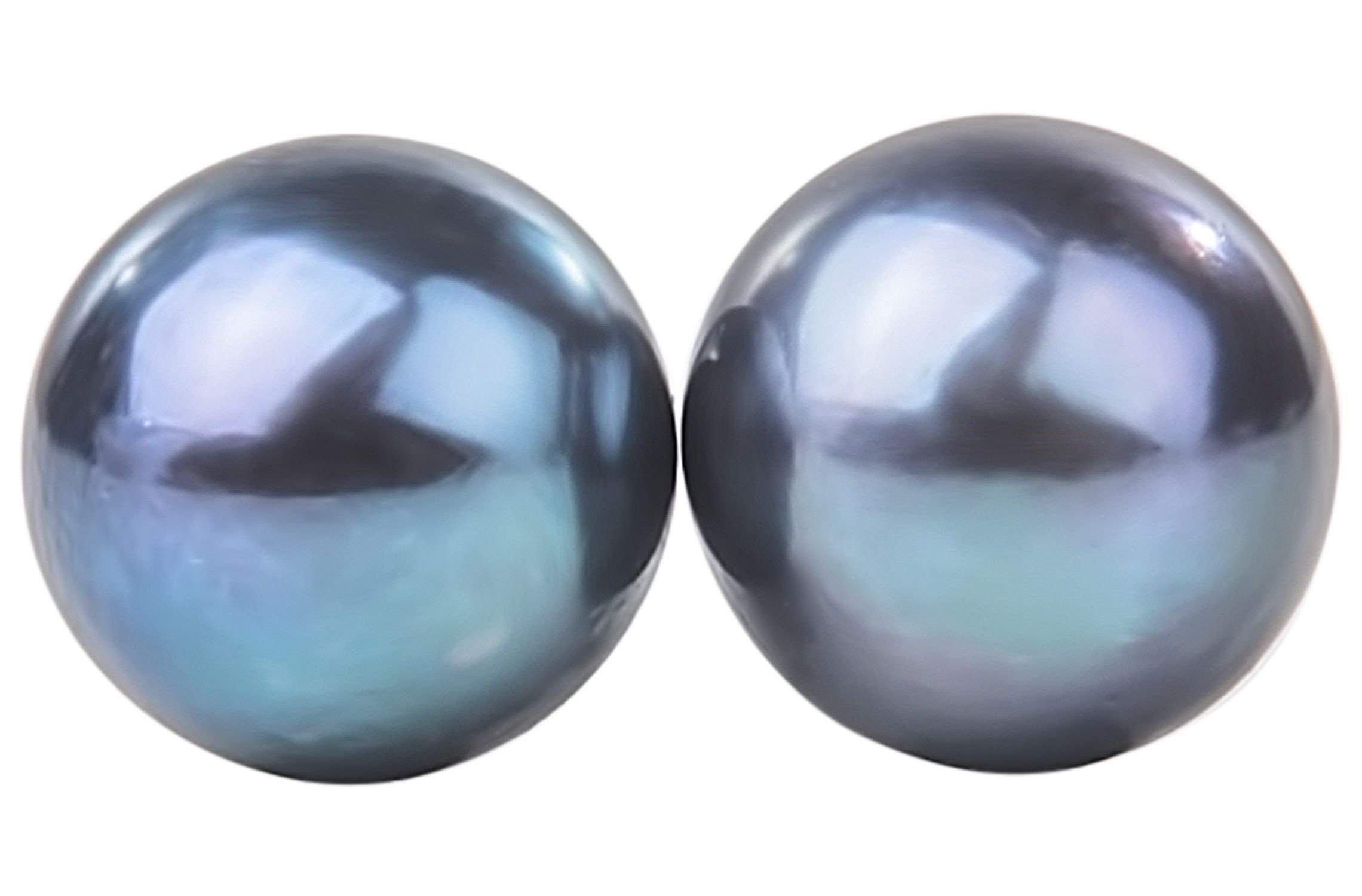
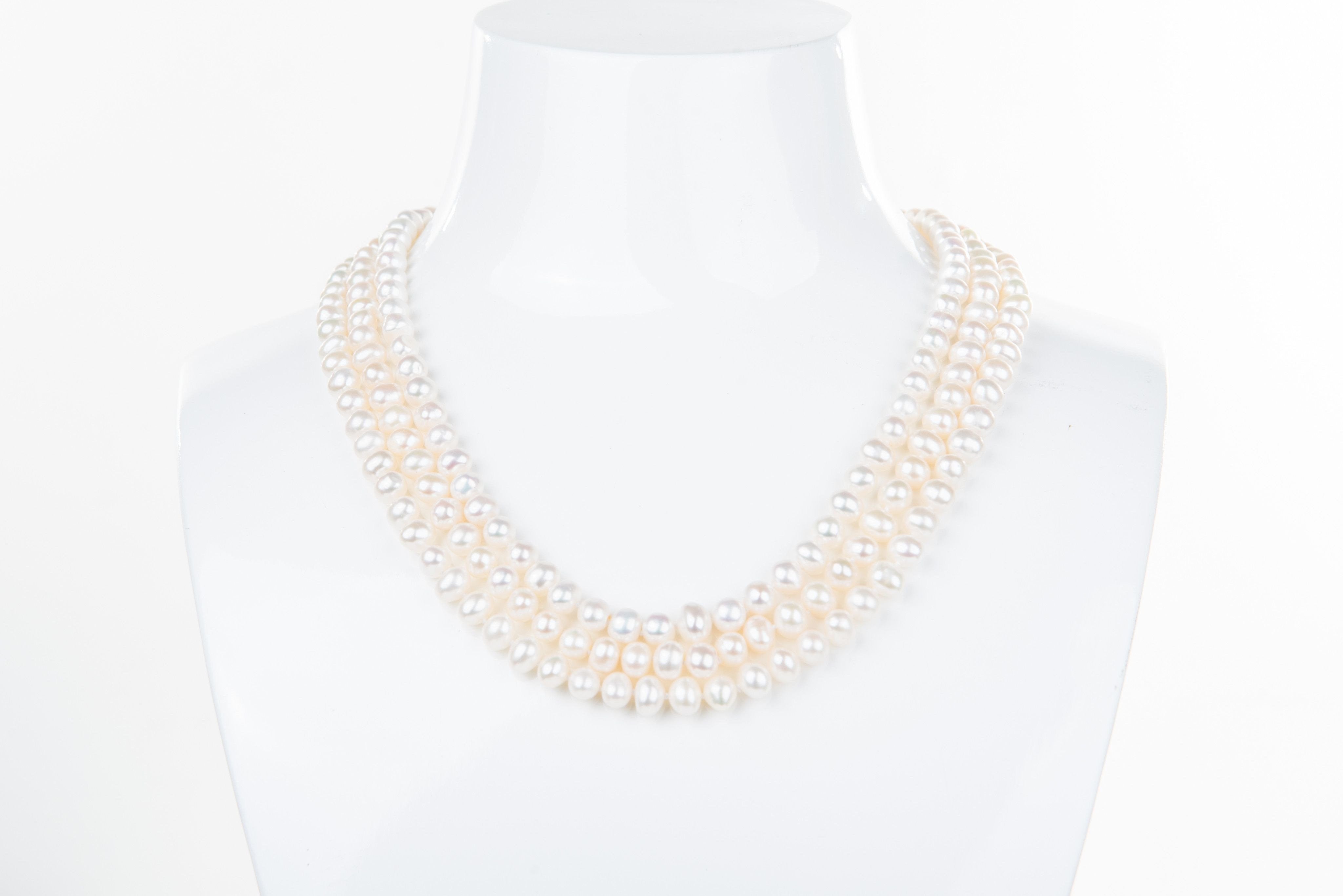
Pearls are soft compared to most everything else in a jewelry box. Nacre sits around 2.5 to 4.5 on the Mohs scale, so anything harder, a diamond, a countertop, your keys, will scratch it given the chance. None of this means you need to treat pearls like museum pieces. It means a few habits, kept up consistently, will do more for a strand than any single expensive fix later.
The order matters
Put your pearls on last, after perfume, hairspray, and lotion have dried down. Take them off first, before you wash your face or change out of the day's clothes. This one habit prevents more damage than anything else on this list, because perfume and hairspray both contain solvents and oils that dull nacre and, over time, eat into the silk thread itself. A spritz of perfume that lands directly on a strand can leave luster looking flat in that spot permanently.
Sweat matters too, more than people expect. If you're wearing a strand to the gym or on a hot day out, wipe it down afterward rather than letting salt and moisture sit against the nacre and the thread.
Cleaning, storage, and what actually breaks silk
Wipe pearls with a soft, slightly damp cloth after wearing, then let them air dry fully before you put them away. That's it. Skip the ultrasonic cleaner, skip steam, skip jewelry cleaning solutions made for gold and gemstones, all of these can strip nacre or degrade thread. Skip vinegar and any acidic solution entirely, since acid actively dissolves nacre on contact.
Store strands flat, not hanging, in a soft cloth pouch or a lined drawer, away from other jewelry that could scratch the surface. Hanging a strand for long stretches puts steady tension on the thread at a single point, which is exactly the kind of wear that leads to a snap.
Silk thread, which is traditional and still common on hand-knotted strands, breaks down from a combination of things over time: stretching from the natural weight of the pearls, oils and moisture from skin contact, and the day-to-day friction of pearls rubbing against their knots. Nylon is more resistant to stretch and moisture but isn't immune to wear either. Either way, the knots tied between each pearl are doing real work, they stop pearls from grinding against each other and limit how far a strand can scatter if the thread does eventually give out.
A rough guide for restringing:
- Strand worn occasionally: restring roughly every 3 years, or sooner if you notice the thread looks stretched or discolored between pearls.
- Strand worn several times a week: plan on restringing every 1 to 2 years.
- Any strand where you can see the thread through gaps, or where knots look loose: get it restrung before you wear it again, not after it breaks.
None of this requires special tools at home, just attention. If you're unsure whether a strand you own or one you're considering is genuine cultured pearl to begin with, that's worth checking too, our post on how to tell if freshwater pearls are real covers the tooth test and a couple of other quick checks.
Every strand we sell at Pearl Rack is hand-knotted on silk or nylon, genuine cultured freshwater pearl, finished with sterling silver, made the same way we've made them since we started on Canal Street. We're sold out across the board while we restock, but you can browse our collections for what's coming back, and if you've got a strand that needs a second opinion on restringing, write to us.